Uncategorized

12 Rabi-ul-Awwal and Eid Milad-un-Nabi
Uncategorized, Islamic Events

12 Rabi-ul-Awwal and Eid Milad-un-Nabi: What Quran and Hadith Really Say?

Muslims around the world recognise Rabi-ul-Awwal as the month in which the Prophet Muhammad ﷺ was born. With that reverence comes a common question: Is marking 12 Rabi-ul-Awwal as a religious festival Sunnah, or is it a later innovation (Bid’ah)? This article approaches the question with authentic Islamic sources: the Qur’an, rigorously authenticated Hadith, and the understanding of the earliest generations, so that love for Allah’s Messenger ﷺ is expressed exactly as Islam teaches. Importance of the Islamic Months Islam organises time according to the Hijri calendar, a divinely acknowledged system of twelve months. Allah says: Arabic:إِنَّ عِدَّةَ الشُّهُورِ عِندَ ٱللَّهِ ٱثْنَا عَشَرَ شَهْرًۭا فِى كِتَـٰبِ ٱللَّهِ يَوْمَ خَلَقَ ٱلسَّمَـٰوَٰتِ وَٱلۡأَرۡضَ مِنۡهَآ أَرۡبَعَةٌ حُرُمٞۚ English (Surah At-Tawbah 9:36):“Indeed, the number of months with Allah is twelve [lunar] months in the register of Allah the day He created the heavens and the earth; of these, four are sacred.” This establishes that sanctity and special rulings for months come from revelation, not from custom. While Rabi-ul-Awwal is honoured because of events tied to the Seerah, it is not listed among the four Sacred Months in the Qur’an (Dhul-Qa‘dah, Dhul-Hijjah, Muharram, and Rajab). Any distinctive religious practices must therefore be proven by textual evidence. Rabi-ul-Awwal 2025: Key Dates to Know Rabi-ul-Awwal, the third month of the Islamic Hijri calendar, is expected to begin around August 24, 2025, based on moon sighting, with 12 Rabi-ul-Awwal 2025 likely falling on September 4 or 5, 2025, in most regions like Pakistan, Saudi Arabia, and India. These dates depend on local moon sightings, as is customary in the Islamic calendar. This month holds immense significance as it marks both the birth and passing of the Prophet Muhammad ﷺ, making it a time for reflection, learning his Seerah, and following his Sunnah. During Rabi-ul-Awwal, maintaining accurate prayer times is essential for Muslims to strengthen their worship and connection with Allah. Below is a sample prayer times schedule for New York, United States (using Muslim World League method and Hanafi juristic school) for the early days of Rabi-ul-Awwal 2025. For personalized prayer times in your location, visit our prayer times tool to get real-time schedules adjusted for your city and time zone. Significance of Rabi-ul-Awwal Most early Seerah scholars report that the Prophet ﷺ was born in Rabi-ul-Awwal (exact day is differed upon), and he ﷺ passed away in this month as well. These historical realities make Rabi-ul-Awwal a Seerah-focused month—ideal for learning, teaching, and acting upon the Prophet’s guidance—rather than for introducing new religious festivals without proof. How Revelation Teaches Us to Honour the Prophet ﷺ The Qur’an commands believers to send Salat and Salam upon the Prophet ﷺ and to follow him: Authentic Sunnah also shows a weekly, prophetic way of expressing gratitude for his birth: the Prophet ﷺ fasted on Mondays. When asked why, he said: “That is the day I was born and the day on which revelation came to me.” (Sahih Muslim, Kitab al-Siyam, hadith on fasting Mondays) This Prophetic practice (fasting Mondays) provides a text-based, Sunnah-aligned way to celebrate his coming—without transforming a specific date into a new religious festival. The Concept of Festivals in Islam Islam is a complete way of life, and it even defines the occasions when Muslims should gather in celebration. Unlike other faiths or cultures that have multiple religious festivals, Islam has restricted its followers to two annual Eids only—Eid-ul-Fitr and Eid-ul-Adha. Any attempt to add a third festival under a religious label has no basis in the Qur’an or the Sunnah. Only Two Eids in Islam After the Prophet Muhammad ﷺ migrated to Madinah, he found that the people there had certain days they used to celebrate. He ﷺ clarified that Allah had replaced them with something better: Arabic:عَنْ أَنَسِ بْنِ مَالِكٍ رضي الله عنه قَالَ: قَدِمَ رَسُولُ اللَّهِ ﷺ الْمَدِينَةَ وَلَهُمْ يَوْمَانِ يَلْعَبُونَ فِيهِمَا، فَقَالَ: «مَا هَذَانِ الْيَوْمَانِ؟» قَالُوا: كُنَّا نَلْعَبُ فِيهِمَا فِي الْجَاهِلِيَّةِ. فَقَالَ رَسُولُ اللَّهِ ﷺ: «إِنَّ اللَّهَ قَدْ أَبْدَلَكُمْ بِهِمَا خَيْرًا مِنْهُمَا: يَوْمَ الْأَضْحَى وَيَوْمَ الْفِطْرِ». English:Anas ibn Malik (may Allah be pleased with him) reported:“The Messenger of Allah (peace and blessings be upon him) came to Madinah and the people had two days in which they would play. He said: ‘What are these two days?’ They said: ‘We used to play on them in the pre-Islamic era.’ The Messenger of Allah (peace and blessings be upon him) said: ‘Allah has given you in their place two days better than them: the Day of al-Adha and the Day of al-Fitr.’”(Sunan Abu Dawood, Hadith 1134; authenticated by al-Albani) This clear hadith establishes that Muslims are only meant to celebrate two Eids. Every other festival—no matter how emotionally appealing—falls outside the framework of Islam. No Third Eid in Islam Neither the Qur’an nor the Sunnah gives approval for a third annual festival. The Prophet ﷺ, his companions (Sahaba), and the early generations (Salaf) never celebrated 12 Rabi-ul-Awwal or any other day as a religious Eid. Their love for the Messenger ﷺ was deeper than anyone after them, yet they expressed that love through obedience, Dawah, prayer, and sacrifice—not through inventing new rituals. Therefore, making Eid Milad-un-Nabi a yearly celebration contradicts the explicit teaching of the Prophet ﷺ himself: only two Eids are part of Islamic worship. 3. The Birth of the Prophet ﷺ The month of Rabi-ul-Awwal holds a unique place in Islamic history, as it is widely known as the month of the Prophet Muhammad’s ﷺ birth. However, it is also the month in which he ﷺ passed away. Both events make this month significant, yet Islam teaches us to approach it with balance, gratitude, and adherence to authentic practices. Differences in Historical Dates While many Muslims popularly claim that the Prophet ﷺ was born on 12 Rabi-ul-Awwal, Islamic historians and scholars have documented different opinions: Because of these differences, no single date can be declared with absolute certainty. What is unanimously accepted, however, is that the Prophet ﷺ was born in Rabi-ul-Awwal, in the Year of the Elephant (570 CE), in Makkah

Hadith on Charity
Uncategorized

8 Inspiring Hadith on Charity That Will Change How You Give

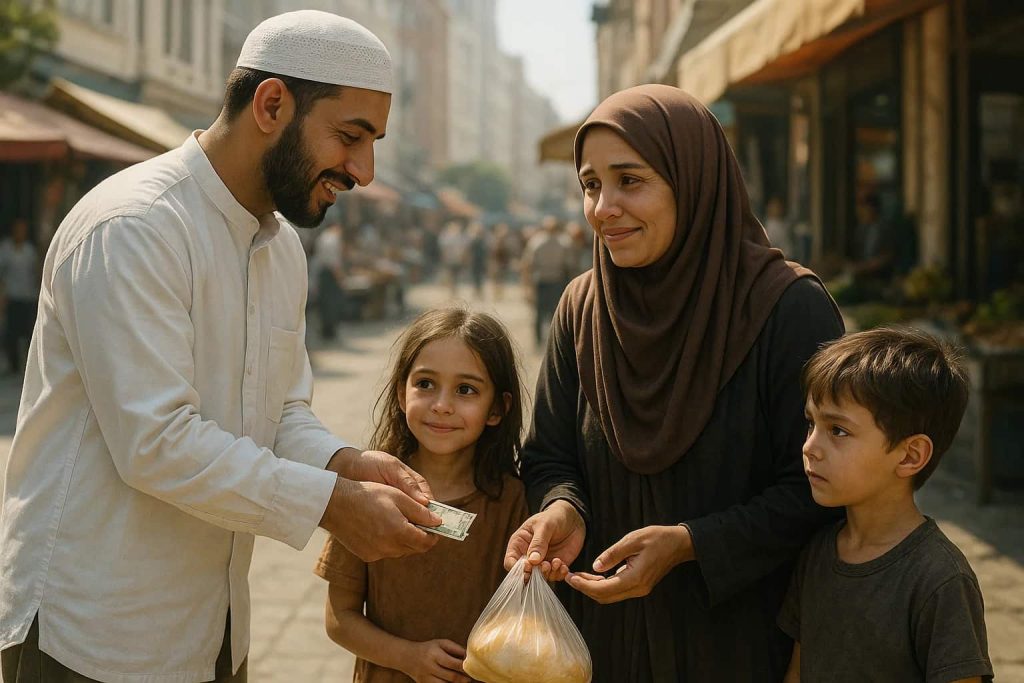
Charity holds a profound place in Islamic teachings, serving as both a spiritual practice and a social responsibility. The Prophet Muhammad (peace be upon him) emphasized the transformative power of giving through numerous authentic sayings that continue to guide Muslims worldwide. These prophetic traditions reveal not just the importance of charity, but also its various forms and lasting impact on both the giver and society. Understanding these teachings can revolutionize your approach to giving, showing how even the smallest acts of kindness carry immense spiritual weight. Let’s explore eight powerful Hadith that illuminate the true essence of charity in Islam. What is the significance of charity in Islam according to Hadith? Role of charity as a pillar of compassion in Islam The Prophet Muhammad (peace be upon him) positioned charity as a cornerstone of faith and human compassion. This teaching establishes charity not merely as a good deed, but as a protective shield in the afterlife. Arabic: ظِلُّ الْمُؤْمِنِ يَوْمَ الْقِيَامَةِ صَدَقَتُهُ(رواه الترمذي) English: “The believer’s shade on the Day of Resurrection will be his charity.”(Al-Tirmidhi) Charity serves as a bridge between the fortunate and the needy, creating a balanced society where wealth circulates rather than concentrates. The Prophet emphasized that those blessed with resources have a responsibility toward those less fortunate. Prophetic sayings on the importance of helping others The Prophet’s teachings consistently highlight that helping others purifies both the soul and wealth. He said: “Charity does not decrease wealth” (Muslim). This seemingly paradoxical statement reveals a spiritual truth—that generous giving leads to divine blessings that more than compensate for what is given away. Arabic: اتَّقُوا النَّارَ وَلَوْ بِشِقِّ تَمْرَةٍ(رواه البخاري ومسلم) English: “Save yourself from Hellfire by giving even if it is half a date.”(Bukhari and Muslim) This teaching demonstrates that the value of charity lies not in its amount, but in the sincerity and sacrifice of the giver. What are the different types of charity in Islam? Sadaqah (voluntary charity) Sadaqah encompasses all voluntary acts of giving beyond religious obligations. The Prophet beautifully expanded this concept, saying: Arabic: كُلُّ مَعْرُوفٍ صَدَقَةٌ English: “Every act of kindness is a charity.”(Bukhari and Muslim) This includes smiling at others, removing harm from pathways, and offering comfort to those in distress. This broad definition means that charity isn’t limited to monetary donations. Simple acts of courtesy, sharing knowledge, or lending a helping hand all qualify as forms of Sadaqah that earn spiritual rewards. Zakat (obligatory charity) Zakat represents the obligatory form of charity, calculated as a specific percentage of one’s wealth. The Prophet emphasized its crucial role, stating: “Islam is built on five pillars“ (Bukhari and Muslim), with Zakat being one of these fundamental practices. This systematic approach to wealth distribution ensures that society’s most vulnerable members receive consistent support while preventing the hoarding of wealth by individuals. Non-monetary forms of charity The Prophet recognized that not everyone has financial means to give, teaching: Arabic: تَبَسُّمُكَ فِي وَجْهِ أَخِيكَ لَكَ صَدَقَةٌ(رواه الترمذي) English: “To smile in the face of your brother is charity.”(Al-Tirmidhi) This inclusive approach ensures that everyone, regardless of economic status, can participate in charitable acts. Other non-monetary forms include offering good advice, teaching skills, providing emotional support, or volunteering time for community benefit. What is Sadaqah Jariyah, and what are some examples? Meaning of ongoing charity in Hadith Sadaqah Jariyah, or continuing charity, represents acts that generate ongoing rewards even after the giver’s death. The Prophet explained: Arabic: إِذَا مَاتَ الإِنْسَانُ انْقَطَعَ عَنْهُ عَمَلُهُ إِلَّا مِنْ ثَلَاثٍ: صَدَقَةٍ جَارِيَةٍ، أَوْ عِلْمٍ يُنْتَفَعُ بِهِ، أَوْ وَلَدٍ صَالِحٍ يَدْعُو لَهُ(رواه مسلم) English: “When a person dies, his deeds come to an end except for three: ongoing charity, beneficial knowledge, or a righteous child who prays for him.” This concept encourages Muslims to think beyond immediate giving toward creating lasting positive impact that benefits multiple generations. Examples such as building wells, planting trees, and knowledge sharing Classic examples of Sadaqah Jariyah include digging wells that provide clean water for years, planting trees that offer shade and fruit, and building schools or mosques that serve communities long-term. Arabic: إِنْ قَامَتِ السَّاعَةُ وَفِي يَدِ أَحَدِكُم فَسِيلَةٌ، فَإِنِ اسْتَطَاعَ أَنْ لَا تَقُومَ حَتَّى يَغْرِسَهَا فَلْيَغْرِسْهَا(رواه أحمد) English: The Prophet ﷺ said: “If the Hour comes while one of you has a palm shoot in his hand, let him plant it.”(Ahmad) emphasizing the value of beneficial environmental actions. Teaching someone a skill, writing beneficial books, or establishing charitable institutions also create ongoing rewards that multiply over time. How does charity benefit the giver in this life and the hereafter? Increase in blessings and provision The Prophet promised that charity brings immediate worldly benefits, saying: Arabic: مَا نَقَصَتْ صَدَقَةٌ مِنْ مَالٍ(رواه مسلم) English: “Wealth is not diminished by giving charity.” Many Muslims report experiencing increased blessings and unexpected provisions after giving generously, reflecting this prophetic promise. Charity also purifies the giver’s heart from greed and attachment to material possessions, leading to greater contentment and spiritual peace. Eternal reward and forgiveness in the afterlife The afterlife benefits of charity are immense. The Prophet taught: “Charity extinguishes sin as water extinguishes fire” (Al-Tirmidhi). This means that sincere giving can lead to forgiveness of sins and elevated status in Paradise. On the Day of Judgment, charity will provide shade and comfort when people desperately need divine mercy and protection. Can charity be given on behalf of deceased parents? Hadith references about honoring parents after death The Prophet confirmed that children can benefit their deceased parents through charitable acts. When asked about continuing good deeds for deceased parents, he replied that charity given on their behalf reaches them and benefits their souls in the afterlife. Acts of charity and prayers as a form of continuing good deeds Giving charity in a parent’s name, making supplications for their forgiveness, and performing Hajj on their behalf are all ways to honor parents after death. The Prophet said: “When a person dies, his good deeds come to an end except three: ongoing charity, beneficial knowledge he taught, and a righteous child who

Islamic Quotes for Friendship
Uncategorized

Islamic Quotes for Friendship: Guidance from Quran & Hadith

Friendship holds a sacred place in Islam, transcending mere companionship to become a spiritual bond that draws us closer to Allah. The Quran and authentic Hadith offer profound wisdom about choosing righteous friends, maintaining loyalty, and navigating the complexities of human relationships through an Islamic lens. These timeless teachings remind us that our companions shape not only our worldly experiences but also our spiritual journey. Whether you’re seeking guidance on selecting good friends, maintaining strong bonds, or dealing with difficult relationships, Islamic wisdom provides a beautiful framework for meaningful connections. Let’s explore what the Quran and Prophet Muhammad (PBUH) taught us about the sacred nature of friendship and how we can apply these teachings to strengthen our relationships. How Does Islam Define a True Friend According to the Quran and Hadith? Islam presents friendship as a relationship rooted in righteousness, mutual support in faith, and shared commitment to pleasing Allah. A true friend in Islamic teachings is someone who brings you closer to your Creator rather than leading you astray. Arabic (Surah Al-An‘am, 6:73): وَهُوَ ٱلَّذِى خَلَقَ ٱلسَّمَـٰوَٰتِ وَٱلۡأَرۡضَ بِٱلۡحَقِّۖ وَيَوۡمَ يَقُولُ كُن فَيَكُونُۚ قَوۡلُهُ ٱلۡحَقُّۚ وَلَهُ ٱلۡمُلۡكُ يَوۡمَ يُنفَخُ فِي ٱلصُّورِۚ عَـٰلِمُ ٱلۡغَيۡبِ وَٱلشَّهَـٰدَةِۚ وَهُوَ ٱلۡحَكِيمُ ٱلۡخَبِيرُ English Translation (Saheeh International): “And it is He who created the heavens and earth in truth. And the day He says, ‘Be,’ and it is, His word is the truth. And His is the dominion on the Day the Horn is blown. He is the Knower of the unseen and the witnessed; and He is the Wise, the Acquainted.” (Qur’an 6:73) The Prophet (PBUH) emphasized that righteous companionship leads to Paradise, while bad company leads to destruction. A true Islamic friend encourages prayer, reminds you of Allah, and supports your spiritual growth. What Are Some Powerful Islamic Quotes About Choosing Good Friends? Selecting companions wisely stands as one of Islam’s most emphasized teachings. The Quran and Hadith repeatedly stress how our friends influence our faith, character, and eternal destiny. Arabic (Sahih al-Bukhari & Sahih Muslim): مَثَلُ الْجَلِيسِ الصَّالِحِ وَالسَّوْءِ كَحَامِلِ الْمِسْكِ وَنَافِخِ الْكِيرِ، فَحَامِلُ الْمِسْكِ إِمَّا أَنْ يُحْذِيَكَ، وَإِمَّا أَنْ تَبْتَاعَ مِنْهُ، وَإِمَّا أَنْ تَجِدَ مِنْهُ رِيحًا طَيِّبَةً، وَنَافِخُ الْكِيرِ إِمَّا أَنْ يُحْرِقَ ثِيَابَكَ، وَإِمَّا أَنْ تَجِدَ رِيحًا خَبِيثَةً. English Translation: “The example of a good companion and a bad companion is like that of the seller of musk and the one who blows the blacksmith’s bellows. The seller of musk will either give you some perfume, you may buy some from him, or at least you will enjoy a pleasant fragrance. As for the blacksmith, he will either burn your clothes with sparks or you will experience a foul odor.” These teachings remind us that friendship isn’t just about enjoyment—it’s about spiritual elevation and mutual accountability before Allah. What Did Prophet Muhammad (PBUH) Say About Friendship and Treating Friends? Prophet Muhammad (PBUH) set the highest example of friendship through his relationships, particularly his bond with Abu Bakr (RA). His teachings emphasize loyalty, kindness, and sincerity as pillars of Islamic friendship. Arabic (Sahih al-Bukhari): المسلمُ أخو المسلمِ، لا يَظلِمُهُ ولا يُسْلِمُهُ English Translation: “A Muslim is the brother of another Muslim; he should not oppress him, nor should he hand him over to an oppressor.” The Prophet’s friendship with Abu Bakr (RA) exemplifies these principles. Their mutual support during the hijra to Medina and throughout challenging times demonstrates how Islamic friendship involves sacrifice, trust, and unwavering loyalty. Can You Share Islamic Quotes About Loyalty and Brotherhood/Sisterhood? Islam emphasizes the spiritual bond between believers, creating a brotherhood and sisterhood that transcends blood relations. This concept of loyalty extends to all aspects of friendship. Arabic (Sahih al-Bukhari & Sahih Muslim): المؤمنُ للمؤمنِ كالبنيانِ يشدُّ بعضُه بعضًا English Translation: “A believer to another believer is like a building whose different parts support and strengthen each other.” These teachings highlight that Islamic friendship involves active support, intervention when needed, and creating a network of mutual care among believers. Are There Islamic Quotes About Forgiving a Friend Who Hurt You? Forgiveness stands as one of Islam’s most beautiful teachings, especially within friendships. The Quran repeatedly emphasizes mercy and letting go of grudges as paths to spiritual purification. Arabic (Surah Ash-Shura, 42:40): وَجَزَاءُ سَيِّئَةٍ سَيِّئَةٌۭ مِّثْلُهَا ۖ فَمَنْ عَفَا وَأَصْلَحَ فَأَجْرُهُۥ عَلَى ٱللَّهِ ۚ إِنَّهُۥ لَا يُحِبُّ ٱلظَّـٰلِمِينَ English Translation (Saheeh International): “The recompense for an evil is an evil equal to it; but whoever forgives and makes reconciliation – his reward is [due] from Allah. Indeed, He does not like wrongdoers.” These verses remind us that maintaining friendships sometimes requires overlooking mistakes and choosing forgiveness over resentment, following Allah’s example of mercy. What Do Islamic Teachings Say About Dealing with Toxic Friendships? While Islam promotes forgiveness and patience, it also provides clear guidance about protecting ourselves from harmful influences and toxic relationships. Arabic (Surah Ṭā-Hā, 20:124): وَمَنْ أَعْرَضَ عَن ذِكْرِي فَإِنَّ لَهُۥ مَعِيشَةًۭ ضَنكًۭا وَنَحْشُرُهُۥ يَوْمَ ٱلْقِيَـٰمَةِ أَعْمَىٰ English Translation (Saheeh International): “And whoever turns away from My remembrance – indeed, he will have a depressed [difficult] life, and We will gather him on the Day of Resurrection blind.” Hadith Arabic:إنما مَثَلُ الجليسِ الصَّالِحِ والجليسِ السَّوءِ كحاملِ المسكِ ونافخِ الكيرِEnglish Translation:“Bad company corrupts good character. The example of a good companion and a bad companion is like that of the musk seller and the blacksmith: the musk seller will benefit you with fragrance, while the blacksmith may burn your clothes or you may be affected by his bad odor.” Islam teaches us to distance ourselves wisely from relationships that lead us away from righteousness. This doesn’t mean being harsh or unkind, but rather protecting our spiritual well-being through careful boundaries and sincere dua for their guidance. What is the Islamic dua (prayer) for good friends and companionship? Islam encourages believers to seek companionship that strengthens their faith and uplifts their character. Moments of prayer and supplication (dua) provide an opportunity to ask Allah for righteous and beneficial friendships. One of the most profound supplications from the Qur’an is: Arabic (Surah Al-Furqan, 25:74): وَالَّذِينَ يَقُولُونَ رَبَّنَا هَبْ

Benefits of Reciting Sura Al-Falak
Uncategorized, Spiritual Practice

Find Peace: 10 Powerful Benefits of Reciting Sura Al-Falak

Surah Al-Falak holds a special place among the chapters of the Quran, offering believers a source of spiritual protection and inner peace. As one of the final revelations in the holy book, this brief yet powerful surah carries profound significance for Muslims seeking refuge from harm and negativity. Known as “The Daybreak” or “The Dawn,” Surah Al-Falak consists of just five verses that form a complete prayer of protection. Together with Surah An-Nas, it comprises the final two chapters of the Quran, collectively referred to as “Al-Mu’awwidhatayn” (the two seeking refuge). These surahs are specifically designed as supplications for divine protection, making them essential components of daily Islamic worship. What is Surah Al-Falak Mainly Used For? Surah Al-Falak serves primarily as a prayer for protection against various forms of harm, both visible and invisible. The surah begins with “Qul a’udhu bi rabbil-falaq” (Say: I seek refuge with the Lord of the daybreak), establishing its purpose as a means of seeking Allah’s protection. Islamic tradition emphasizes several specific protections that this surah provides: Protection from physical harm: The surah asks for refuge from the evil of all created things, encompassing protection from accidents, illness, and other physical dangers that may befall a person. Spiritual safeguarding: Beyond physical protection, reciting this surah helps shield believers from spiritual harm, including negative influences that can affect one’s faith and mental well-being. Protection from hidden dangers: The verses specifically mention seeking refuge from “the evil of that which He created,” acknowledging that harm can come from sources we cannot see or fully understand. Many Islamic scholars recommend reciting Surah Al-Falak during morning and evening prayers, as well as before sleep, to maintain continuous divine protection throughout the day and night. The Spiritual Benefits of Reciting Surah Al-Falak Daily Regular recitation of Surah Al-Falak offers numerous spiritual benefits that extend beyond its protective qualities. These advantages help strengthen a believer’s relationship with Allah and enhance their overall spiritual well-being. Strengthened faith and trust: Daily recitation reinforces a Muslim’s reliance on Allah’s protection and power. This practice cultivates deeper faith by regularly acknowledging Allah as the ultimate source of safety and refuge. Enhanced mindfulness: The act of seeking refuge through this surah increases awareness of Allah’s presence in daily life. This mindfulness helps believers maintain a stronger connection to their faith throughout various activities and challenges. Inner peace and tranquility: Regular recitation creates a sense of calm and security, knowing that one has sought divine protection. This peace of mind can significantly reduce anxiety and stress, particularly when facing difficult circumstances. Spiritual discipline: Making Surah Al-Falak part of daily worship establishes a consistent spiritual routine that strengthens overall religious practice and devotion. Can Reciting Surah Al-Falak Protect You from the Evil Eye? The evil eye, known as “al-‘ayn” in Arabic, represents a concept deeply rooted in Islamic tradition. It refers to the harmful effects that can result from envy, jealousy, or intense admiration from others, whether intentional or unintentional. Islamic teachings acknowledge the evil eye as a real phenomenon that can cause various forms of harm, including illness, misfortune, or general negative effects on a person’s life. The Prophet Muhammad (peace be upon him) confirmed the reality of the evil eye and provided guidance on seeking protection from it. Surah Al-Falak specifically addresses protection from such harm through its verses. The surah includes the phrase “min sharri hasid idha hasad” (from the evil of the envious one when he envies), directly referencing protection from envy and its harmful effects. Reciting this surah regularly serves as a spiritual shield against the evil eye by: Creating divine protection: The act of seeking refuge with Allah establishes a barrier against negative influences, including those arising from envy or jealousy. Strengthening spiritual defenses: Regular recitation builds up spiritual resilience, making believers less susceptible to harmful effects from negative emotions directed toward them. Providing peace of mind: Knowing that one has sought Allah’s protection against the evil eye reduces anxiety about potential harm from others’ envy or negative intentions. Finding Peace Through Divine Protection Surah Al-Falak offers believers a powerful tool for spiritual protection and peace of mind. Its brief verses contain profound significance, providing refuge from both seen and unseen dangers while strengthening faith and trust in Allah’s protection. Incorporating this surah into daily worship creates a foundation of spiritual security that enhances overall well-being. Whether recited for protection from the evil eye, physical harm, or general negative influences, Surah Al-Falak serves as a constant reminder of Allah’s power and care for His believers. For those seeking to deepen their spiritual practice, regular recitation of Surah Al-Falak, combined with sincere intention and faith, can provide both immediate comfort and long-term spiritual benefits that enrich daily life. Is Surah Al-Falak Effective for Warding Off Jealousy (Hasad)? Islamic Perspective on Jealousy  Jealousy, known as “Hasad” in Arabic, is considered a destructive emotion in Islamic teachings. It is warned against in the Quran and Hadith, as it not only harms relationships but also eats away at the faith and contentment of the one who harbors it. Surah Al-Falak explicitly addresses seeking protection from those who cause harm out of envy, highlighting the severity of jealousy in a spiritual and societal context. Ways the Surah Shields the Heart and Soul  Surah Al-Falak empowers believers by providing a direct supplication to seek refuge with Allah from all external and internal sources of harm. It helps to shield the heart and soul from the spiritual and psychological impacts of jealousy, reminding individuals to trust in Allah’s protection. Through its recitation, a believer reaffirms their reliance on Allah while spiritually fortifying themselves against negativity. How Does Surah Al-Falak Help Against Black Magic (Sihr)? Brief Explanation of Sihr in Islamic Teachings  Sihr, or black magic, is described in Islamic teachings as a prohibited and harmful practice that seeks to manipulate or influence people through supernatural means. The Quran and Hadith strongly condemn sihr, warning of its dangers to one’s faith and well-being. It is considered a test of

Beautiful Hadiths on Kindness
Uncategorized, Hadith

10 Beautiful Hadiths on Kindness Every Muslim Should Know

Kindness is central to Islamic teachings, emphasized throughout the Quran and prophetic traditions. The Prophet Muhammad ﷺ embodied compassion in every aspect of his life, sharing hadiths that guide Muslims toward mercy and gentleness. These teachings don’t just highlight kindness as a virtue—they show it as essential to faith, transforming both the giver and receiver. From a simple smile to acts of charity, Islam demonstrates how kindness connects hearts and brings one closer to Allah. What is the Beautiful Hadith About Kindness? One of the most beloved hadiths about kindness comes from the Prophet Muhammad ﷺ, who said: مَنْ يُحْرَمِ الرِّفْقَ يُحْرَمِ الْخَيْرَ “Whoever is deprived of kindness is deprived of goodness.” (Sahih Muslim) This profound statement encapsulates the essence of Islamic teachings on compassion. The hadith suggests that kindness isn’t merely an optional virtue—it’s fundamental to living a meaningful, blessed life. The Deeper Meaning This hadith carries multiple layers of wisdom. First, it establishes kindness as a prerequisite for goodness, suggesting that all positive qualities stem from a compassionate heart. Second, it implies that those who lack kindness miss out on the countless blessings that flow from gentle behavior. In daily life, this teaching encourages Muslims to examine their interactions with others. Are we approaching our family members with patience? Do we speak gently to those who serve us? The hadith reminds us that every moment offers an opportunity to embody this essential quality. What is a Beautiful Quote About Kindness? The Prophet ﷺ offered another inspiring teaching about the nature of kind treatment: لَيْسَ مِنَّا مَنْ لَمْ يَرْحَمْ صَغِيرَنَا وَيُوَقِّرْ كَبِيرَنَا “He is not of us who does not show mercy to our young ones and does not acknowledge the honor due to our elders.” (Abu Dawud and Tirmidhi) This narration beautifully captures the comprehensive nature of Islamic kindness, extending compassion across all age groups and social relationships. Everyday Applications This prophetic wisdom applies directly to common situations Muslims encounter. When children are being loud or disruptive, the hadith encourages patience and understanding rather than harsh reactions. Similarly, when elderly family members need extra care or repeat themselves, this teaching calls for respectful attention and honor. The quote also extends to broader community relationships—showing kindness to young neighbors, offering help to elderly community members, and creating an environment where every generation feels valued and respected. Which Surah Means Act of Kindness? Surah Al-Ma’un (Chapter 107) directly addresses acts of kindness and social responsibility. This short but powerful chapter condemns those who neglect prayer and fail to help the needy, establishing a clear connection between worship and compassionate action. The Connection Between Quran and Hadith The Quran and hadith literature work together to paint a complete picture of Islamic kindness. While Surah Al-Ma’un emphasizes helping the needy and maintaining social justice, the hadiths provide specific examples of how the Prophet ﷺ demonstrated these values. For instance, the Quran commands feeding the poor, while hadiths show us how the Prophet ﷺ would personally serve food to guests and ensure no one in his community went hungry. This complementary relationship helps Muslims understand both the spiritual significance and practical implementation of kindness. Is Every Act of Kindness a Sadaqah? The Prophet ﷺ provided a beautiful answer to this question: كُلُّ مَعْرُوفٍ صَدَقَةٌ “Every act of kindness is a sadaqah (charity).” (Sahih Bukhari and Sahih Muslim) This hadith revolutionizes how we understand charitable giving, expanding it far beyond monetary donations to include any compassionate action. Examples of Non-Monetary Kindness The beauty of this teaching lies in its accessibility. Not everyone can give large amounts of money, but everyone can practice sadaqah through kindness: Emotional support: Listening to a friend’s problems, offering encouragement during difficult times, or simply being present for someone in need. Physical assistance: Helping carry groceries, offering directions to lost travelers, or assisting elderly neighbors with daily tasks. Social kindness: Sharing a meal with someone, visiting the sick, or including lonely individuals in community gatherings. Each of these actions becomes a form of worship, earning spiritual rewards while strengthening community bonds. What are the 5 Acts of Kindness in Islam? Islamic tradition highlights numerous forms of kindness, but five stand out as particularly emphasized in prophetic teachings: 1. Helping the Needy مَنْ نَفَّسَ عَنْ مُسْلِمٍ كُرْبَةً مِنْ كُرَبِ الدُّنْيَا نَفَّسَ اللَّهُ عَنْهُ كُرْبَةً مِنْ كُرَبِ يَوْمِ الْقِيَامَةِ “Whoever relieves a Muslim of a burden from the burdens of the world, Allah will relieve him of a burden from the burdens on the Day of Judgment.” (Sahih Muslim) 2. Offering a Smile تَبَسُّمُكَ فِي وَجْهِ أَخِيكَ لَكَ صَدَقَةٌ “Your smile for your brother is a sadaqah.” (Tirmidhi) 3. Feeding Others مَا آمَنَ بِي مَنْ بَاتَ شَبْعَانَ وَجَارُهُ جَائِعٌ إِلَى جَنْبِهِ وَهُوَ يَعْلَمُ “He is not a believer who eats his fill while his neighbor goes hungry.” (Al-Adab Al-Mufrad) 4. Speaking Kindly وَالْكَلِمَةُ الطَّيِّبَةُ صَدَقَةٌ “A good word is sadaqah.” (Sahih Bukhari and Sahih Muslim) 5. Showing Mercy to Animals عُذِّبَتِ امْرَأَةٌ فِي هِرَّةٍ سَجَنَتْهَا حَتَّى مَاتَتْ، فَدَخَلَتْ فِيهَا النَّارَ “A woman was punished because of a cat which she had confined until it died and she had to get into Hell because of it.” (Sahih Bukhari) These five categories encompass the breadth of Islamic kindness, from grand gestures to simple daily interactions. How to Show Kindness in Islam? Prophetic guidance offers practical ways to embody kindness in various relationships and situations. Kindness to Family خَيْرُكُمْ خَيْرُكُمْ لِأَهْلِهِ، وَأَنَا خَيْرُكُمْ لِأَهْلِي The Prophet ﷺ emphasized gentleness within the home: “The best of you are those who are best to their families, and I am the best among you to my family.” (Tirmidhi) This includes speaking softly during disagreements, helping with household responsibilities, and showing appreciation for family members’ efforts. Kindness to Neighbors لَيْسَ الْمُؤْمِنُ الَّذِي يَشْبَعُ وَجَارُهُ جَائِعٌ “He is not a believer who eats his fill while his neighbor beside him goes hungry.” (Al-Adab Al-Mufrad) Practical neighbor kindness includes checking on their wellbeing, sharing food, helping during emergencies, and maintaining respectful boundaries. Kindness to Strangers مَنْ كَانَ يُؤْمِنُ بِاللَّهِ وَالْيَوْمِ

Benefits of Reciting Surah Al-Nas
Uncategorized

10 Powerful Benefits of Reciting Surah Al-Nas Daily

Surah Al-Nas, the 114th and final chapter of the Holy Quran, holds extraordinary significance for Muslims seeking spiritual protection and divine refuge. This brief yet powerful surah, consisting of only six verses, serves as a comprehensive shield against spiritual harm and negative influences that can affect our daily lives. As the concluding chapter of Allah’s final revelation, Surah Al-Nas encapsulates essential teachings about seeking protection from unseen dangers. The surah’s profound message resonates with believers who understand the importance of turning to Allah for safety from whispers of evil, whether they come from jinn or human sources. Its placement at the end of the Quran emphasizes its role as a final reminder of our complete dependence on Allah’s protection. Reciting this surah daily offers numerous benefits that extend beyond mere spiritual comfort. From strengthening one’s connection with Allah to providing practical protection in everyday situations, the regular recitation of Surah Al-Nas has been a cherished practice among Muslims for over fourteen centuries. Understanding these benefits can transform your daily spiritual routine and deepen your relationship with the divine. The History and Revelation of Surah Al-Nas Surah Al-Nas was revealed in Makkah during the early period of Prophet Muhammad’s (PBUH) mission, making it a Makki surah. The historical context of its revelation relates to the increasing opposition the Prophet faced from those who sought to harm him through various means, including spiritual attacks and negative influences. This surah forms part of the Mu’awwidhatayn, meaning “the two refuges,” along with Surah Al-Falaq. Together, these chapters provide comprehensive protection against all forms of evil and harm. The revelation of both surahs came as divine guidance to help believers seek Allah’s protection against visible and invisible threats. The classification of Surah Al-Nas as a Makki surah highlights its fundamental nature in Islamic teachings. During the Makkan period, the focus was on establishing core beliefs and spiritual foundations. The inclusion of this protective surah during this crucial time underscores the importance Allah places on safeguarding His believers from spiritual harm. Significance of Surah Al-Nas The core message of Surah Al-Nas revolves around seeking refuge in Allah alone, emphasizing the Islamic principle of complete reliance on divine protection. This surah teaches us that true safety comes not from worldly means or human alliances, but from turning to Allah as our ultimate protector and guardian. The surah’s emphasis on Allah as “Rabb an-Nas” (Lord of mankind), “Malik an-Nas” (King of mankind), and “Ilah an-Nas” (God of mankind) establishes His complete authority over human affairs. This three-fold description reminds us that Allah’s protection encompasses all aspects of human existence—physical, spiritual, and temporal. Unlike worldly forms of protection that are limited and temporary, divine protection through Surah Al-Nas offers comprehensive coverage against all forms of spiritual harm. This includes protection from negative thoughts, evil influences, jealousy, and the whispers of Satan that can lead us astray from the right path. Interpretation of Surah Al-Nas The opening verse, “Qul a’udhu bi Rabbi-n-nas” (Say: I seek refuge with the Lord of mankind), establishes the fundamental act of seeking divine protection. This declaration acknowledges Allah’s sovereignty over all human beings and our dependence on His protection. The second and third verses, identifying Allah as “Malik an-Nas” and “Ilah an-Nas,” reinforce His complete authority. As King, Allah has ultimate power over all creation. As God, He alone deserves our worship and reliance for protection. The final three verses focus on seeking protection “min sharri-l-waswasi-l-khannas” (from the evil of the whisperer who withdraws). This refers to Satan and his followers who whisper evil thoughts into human hearts, then withdraw when Allah’s name is mentioned. The surah specifically mentions protection from whispers that affect human hearts, whether they come from jinn or human sources. The phrase “alladhi yuwaswisu fi suduri-n-nas” (who whispers into the hearts of mankind) identifies the target of these evil influences—the human heart and mind, where thoughts and intentions originate. This makes Surah Al-Nas particularly relevant for mental and spiritual protection. Prophetic Practices and Recommendations The Prophet (PBUH) Recited It for His Own Protection Prophet Muhammad (PBUH) regularly recited Surah Al-Nas as part of his daily spiritual practice. Despite being Allah’s chosen messenger, he demonstrated the importance of seeking divine protection through this surah. His consistent recitation teaches us that no one is beyond the need for Allah’s protection. The Prophet’s practice of reciting this surah shows its effectiveness in spiritual defense. He would recite it during times of difficulty, when facing opposition, and as part of his regular dhikr (remembrance of Allah). This prophetic example establishes the surah as an essential tool for spiritual protection. Historical accounts show that the Prophet (PBUH) found comfort and strength in these verses, particularly when facing challenges from those who opposed his message. His reliance on Surah Al-Nas demonstrates trust in Allah’s protection over any worldly means of defense. The Prophet (PBUH) Used It for Seeking Refuge Before Sleeping One of the most significant Sunnah practices involves reciting Surah Al-Nas before sleep. The Prophet (PBUH) would recite this surah, along with Surah Al-Falaq and Surah Al-Ikhlas, before retiring for the night. He would blow gently into his cupped hands after recitation and wipe them over his body, starting from his head. This bedtime practice provides protection during sleep, when we are most vulnerable to negative influences and disturbing dreams. The recitation creates a spiritual barrier that safeguards the believer throughout the night. The prophetic tradition of nighttime recitation has been passed down through generations of Muslims, who continue to experience the peace and protection that comes from this practice. Many believers report better sleep quality and freedom from nightmares when following this Sunnah. The Prophet (PBUH) Advised Reciting It with Surah Al-Falaq The Prophet (PBUH) consistently recited Surah Al-Nas together with Surah Al-Falaq, treating them as complementary protections. While Surah Al-Falaq focuses on protection from external harms and evil eye, Surah Al-Nas addresses internal spiritual threats and whispers that affect the heart and mind. This combination provides comprehensive spiritual protection, covering both visible and

Benefits of Surah Alam Nashrah
Uncategorized

Unraveling the Hidden Benefits of Surah Alam Nashrah

Surah Alam Nashrah, or Surah Ash-Sharh, holds a special place in the Quran. This short yet powerful chapter provides comfort and guidance during life’s challenges.  With just eight verses, its message is profound. For centuries, Muslims have drawn strength from its promise of relief and divine support. Though addressed to Prophet Muhammad ﷺ, its message resonates with anyone facing hardship.  Understanding the meanings and benefits of Surah Alam Nashrah can transform how we face difficulties. It offers hope, emotional healing, and practical wisdom on patience and perseverance. What Is the Main Message of Surah Alam Nashrah? Core Theme: Relief After Hardship The central message of Surah Alam Nashrah revolves around the divine promise that relief inevitably follows hardship. This theme appears throughout the chapter, beginning with Allah’s direct address to Prophet Muhammad ﷺ about expanding his chest and removing his burden. The surah emphasizes that difficulties are temporary phases in life, not permanent conditions. This perspective shift helps believers maintain hope during challenging periods, knowing that Allah’s mercy and relief are always on the horizon. Reassurance and Hope from Allah to Prophet Muhammad ﷺ Allah speaks directly to His messenger in this chapter, reminding him of the blessings already bestowed upon him. The verses highlight how Allah expanded the Prophet’s chest, removed his burden, and elevated his mention throughout the world. This divine reassurance serves as a model for all believers. Just as Allah supported His beloved Prophet during times of difficulty, the same divine care extends to every faithful servant who turns to Him with sincerity and patience. Connection Between Patience, Struggle, and Divine Support Surah Alam Nashrah establishes a clear relationship between human struggle and divine intervention. The chapter teaches that our difficulties are opportunities for spiritual growth and increased reliance on Allah’s wisdom. The surah shows that patience during hardship is not passive waiting, but active trust in Allah’s plan. This understanding helps believers maintain their faith and continue their efforts while trusting in divine timing and wisdom. What Does Surah Alam Nashrah Say About Hardship? Emphasis on the Verse: “Indeed, with Hardship Comes Ease” The most famous verse from this chapter, “Indeed, with hardship comes ease,” appears twice in the surah, emphasizing its importance. Islamic scholars note that this repetition serves to strengthen the believer’s confidence in Allah’s promise. The Arabic structure of this verse carries additional meaning that enriches our understanding. The word for hardship uses the definite article, while ease does not, suggesting that one specific hardship may be followed by multiple forms of relief. This verse has become a source of comfort for millions of Muslims worldwide, reminding them that their current struggles are temporary and that Allah’s mercy will manifest in ways they may not yet imagine. Spiritual Insight Into Enduring Life’s Trials The surah provides spiritual framework for understanding why hardships occur in our lives. Rather than viewing difficulties as punishments, this chapter encourages believers to see them as tests that can strengthen faith and character. Through this lens, challenges become opportunities for spiritual elevation and increased closeness to Allah. The surah teaches that enduring hardship with patience and trust leads to personal growth and divine reward. Reminder of Allah’s Mercy During Difficult Times Surah Alam Nashrah consistently emphasizes Allah’s mercy and care for His servants. The chapter reminds believers that even during their darkest moments, they are not abandoned or forgotten by their Creator. This reminder helps maintain perspective during overwhelming situations. When life feels unbearable, the surah redirects our focus toward Allah’s infinite mercy and His promise of relief. What Are the Benefits of Reciting Surah Alam Nashrah? Emotional and Spiritual Healing Regular recitation of Surah Alam Nashrah can provide significant emotional and spiritual benefits. Many believers report feeling a sense of calm and peace after reading these verses, particularly during stressful periods. The rhythmic nature of the Arabic verses, combined with their hopeful message, creates a meditative experience that can help process difficult emotions. This practice allows believers to connect with the divine source of comfort and strength. The healing aspects of this surah extend beyond immediate emotional relief. Consistent engagement with its message can help develop resilience and a more positive outlook on life’s challenges. Boosts Hope, Motivation, and Mental Clarity The hopeful message of Surah Alam Nashrah can significantly impact a believer’s mental state. When facing uncertainty or discouragement, these verses serve as powerful reminders that current circumstances are not permanent. This shift in perspective often leads to increased motivation and clearer thinking. Instead of being overwhelmed by immediate problems, believers can maintain focus on solutions and positive actions. The surah’s emphasis on divine support also provides mental clarity about priorities and values. This clarity helps believers make better decisions and maintain direction during confusing times. Encouragement to Rely on Allah’s Wisdom and Timing One of the most valuable benefits of engaging with this surah is developing trust in Allah’s perfect timing. The chapter teaches believers to balance personal effort with acceptance of divine wisdom. This balance reduces anxiety about outcomes beyond our control while encouraging continued effort and prayer. Believers learn to work diligently while trusting that Allah’s plan is always best. The surah also helps develop patience as a spiritual strength rather than passive resignation. This active patience enables believers to maintain faith and hope while working toward positive change. Is Surah Alam Nashrah Good for Anxiety and Stress? Calming Effect of Its Verses The soothing rhythm and hopeful content of Surah Alam Nashrah make it particularly effective for managing anxiety and stress. The repetitive structure and familiar phrases create a sense of comfort and security for regular reciters. Many Muslims incorporate this surah into their daily prayer routine or recite it during moments of high stress. The familiar words and meanings provide immediate access to comfort and reassurance. The act of recitation itself can serve as a form of meditation, helping to slow racing thoughts and redirect focus toward positive affirmations of faith and hope. Reflection on Divine Support and Inner Peace

dua for sleep
Uncategorized

Dua for Sleep- Best Quranic Verses for Relaxation and Comfort

Sleep is a blessing from Allah, providing rest, rejuvenation, and peace of mind. However, many people struggle with falling asleep due to stress, anxiety, or restlessness. In Islam, reciting dua for sleep from the Quran can bring tranquility and protection from negative thoughts. These supplications invoke Allah’s mercy, ensuring a peaceful and restful night. In this article, we will explore five powerful duas from the Quran for better sleep, their significance, and how they help in achieving a deep and undisturbed rest. 5 Best Duas for Sleep from the Quran 1. Surah Al-Baqarah (2:286) – Dua for Peaceful Sleep Arabic:رَبَّنَا لَا تُؤَاخِذْنَا إِن نَّسِينَا أَوْ أَخْطَأْنَا ۚ Translation:“Our Lord, do not impose blame upon us if we forget or make a mistake.” Significance:This dua seeks Allah’s forgiveness and relieves stress, allowing the mind to be at peace before sleeping. 2. Surah Al-Isra (17:79) – Dua for a Restful Night Arabic:وَمِنَ ٱلَّيْلِ فَتَهَجَّدْ بِهِۦ نَافِلَةًۭ لَّكَ ۖ عَسَىٰٓ أَن يَبْعَثَكَ رَبُّكَ مَقَامًۭا مَّحْمُودًۭا Translation:“And in some parts of the night, offer the prayer with it as an additional worship for you; it is expected that your Lord will resurrect you to a praised station.” Significance:Reciting this verse before sleep can bring inner peace and a sense of divine connection, leading to a restful night. 3. Surah Al-Kahf (18:10) – Dua for Comfort and Relaxation Arabic:رَبَّنَآ ءَاتِنَا مِن لَّدُنكَ رَحْمَةًۭ وَهَيِّئْ لَنَا مِنْ أَمْرِنَا رَشَدًۭا Translation:“Our Lord, grant us from Yourself mercy and prepare for us from our affair right guidance.” Significance:This verse provides a sense of security and trust in Allah, calming the heart and promoting relaxation. 4. Surah Az-Zumar (39:42) – Dua for Safe and Deep Sleep Arabic:ٱللَّهُ يَتَوَفَّى ٱلۡأَنفُسَ حِينَ مَوۡتِهَا وَٱلَّتِي لَمۡ تَمُتۡ فِي مَنَامِهَاۖ فَيُمْسِكُ ٱلَّتِي قَضَىٰ عَلَيْهَا ٱلْمَوْتَ وَيُرْسِلُ ٱلْأُخْرَىٰٓ إِلَىٰٓ أَجَلٍۢ مُّسَمًّۭىۚ Translation:“Allah takes the souls at the time of their death, and those that do not die (He takes) during their sleep. Then He keeps those for whom He has decreed death and releases the others for a specified term.” Significance:This verse reminds us of Allah’s control over life and sleep, providing reassurance and eliminating fear of the unknown. 5. Surah Al-Furqan (25:47) – Dua for a Tranquil Sleep Arabic:وَهُوَ ٱلَّذِى جَعَلَ لَكُمُ ٱلَّيْلَ لِبَاسًۭا وَٱلنَّوْمَ سُبَاتًۭا وَجَعَلَ ٱلنَّهَارَ نُشُورًۭا Translation:“And it is He who has made the night for you as clothing and sleep (a means for) rest and has made the day a resurrection.” Significance:This verse highlights sleep as a divine gift, bringing calmness and renewal for the next day. Benefits of Reciting These Duas Before Sleeping Best Times to Recite These Duas for Maximum Effect Islamic Teachings on Sleep and Seeking Allah’s Mercy Conclusion Reciting dua for sleep from the Quran ensures a peaceful, protected, and spiritually fulfilling rest. These supplications help relax the mind, remove stress, and strengthen faith in Allah’s mercy. By incorporating these verses into your bedtime routine, you can achieve a restful sleep and wake up refreshed, ready to embrace a new day with renewed energy and faith.

Guidance Through Faith

A Journey Towards Allah — Discover authentic Islamic knowledge, spiritual guidance, and wisdom to strengthen your faith and connection with the Almighty.

Quick Links

Get In Touch

© 2026 IslamArticle – All Rights Reserved. Designed with Faith and Purpose.

“Indeed, in the remembrance of Allah do hearts find peace” — Qur’an 13:28

Scroll to Top