
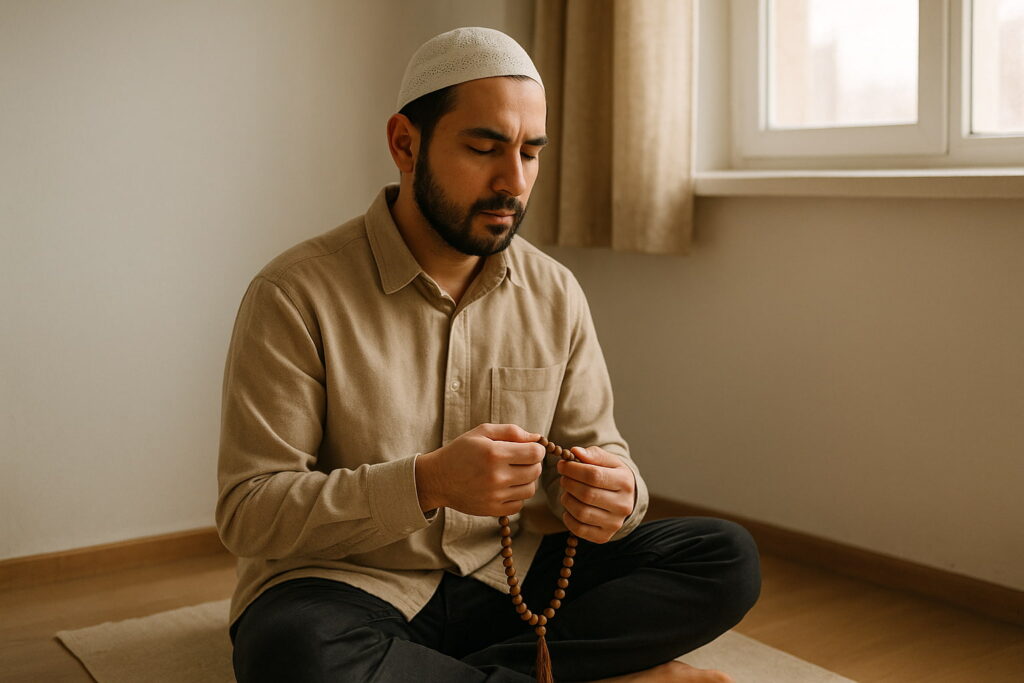
10 Practical Self-Care Strategies for Muslim Mental Health
Maintaining mental health is vital for overall well-being, and in Islam, self-care covers the mind, heart, and soul. Islam encourages balance, guiding Muslims to nurture spiritual, emotional, and psychological health. This blog shares 10 practical, faith-based self-care strategies for Muslim mental health, helping you strengthen your connection with Allah while supporting emotional well-being.. Understanding Mental Health in Islam What Does the Quran Say About Mental Health? The Quran and Hadith emphasize the importance of emotional strength and resilience, recognizing the struggles that humans face. Allah reminds us that tests and trials are part of life’s spiritual growth. One powerful verse states: إِنَّ مَعَ الْعُسْرِ يُسْرًا “Indeed, with hardship, there is ease.” Likewise, the Prophet ﷺ would often console his companions, teaching us that psychological struggles are part of humanity and not a flaw in faith. These reminders encourage Muslims to confront emotional challenges with patience, supplication, and trust in Allah. Islam also acknowledges stress, grief, and emotional fatigue. For example, Prophet Muhammad ﷺ himself faced moments of deep sadness, such as during the Year of Sorrow when he lost his beloved wife Khadijah (RA) and uncle Abu Talib. His example teaches us that experiencing hardship doesn’t diminish our faith, but rather reinforces our reliance on Allah’s mercy. 1. The Role of Salah (Prayer) in Emotional Well-Being Is Namaz Good for Mental Health? Salah (prayer) is a profound tool for cultivating peace. By connecting directly with Allah five times a day, Muslims enter a state of mindfulness unmatched by daily routines. Each movement in prayer—from standing to bowing to prostrating—is designed to radiate calmness through the body while strengthening the soul. Scientific studies have highlighted the meditative benefits of structured prayer. Singular focus during salah reduces overthinking, while the rhythmic recitation of ayahs calms the nerves. A powerful mindset shift happens when a believer says: إِيَّاكَ نَعْبُدُ وَإِيَّاكَ نَسْتَعِينُ “You alone we worship, and You alone we ask for help.” This surrender of control eases anxiety, teaching us to place our trust in Allah, particularly during turbulent times. 2. Faith-Based Self Care for Muslim Mental Health What Are Some Self-Care Strategies for Mental Health? Self-care doesn’t need to be extravagant; sometimes the simplest, most intentional actions are the most effective. Below, we’ve summarized practical self-care ideas inspired by Islamic teachings: The constant recitation of phrases like “SubhanAllah” and “Alhamdulillah” keeps the mind focused on gratitude and blessings instead of challenges. The Prophet ﷺ emphasized exercise and healthy eating. Incorporate foods rich in sunnah significance, such as dates and honey, into your meals. Pair this with gentle exercise like walking, swimming, or stretching. Add journaling to your routine as a way to process emotions. Reflect deeply on Allah’s blessings or jot down heartfelt duas. Islam encourages community and the support of loved ones. Spend time with friends who uplift your spirit or reach out to those in need, as acts of compassion increase your own emotional peace. Learn to say no and create space for yourself. Islam upholds the balance between fulfilling responsibilities to others and self-care. Boundaries allow you to recharge. The Prophet ﷺ rested intentionally. A short nap (qailulah) during midday, for example, helps the body and mind stay energized. 3. How Islam Encourages Mental Wellness Top Islamic Mental Health Tips: How to Take Care of Your Mind and Soul in Islam Islam provides infinite guidance on how to face hardships while staying emotionally resilient: The Prophet ﷺ said, “The example of the believers in their affection, mercy, and compassion for each other is that of a body. If one limb aches, the whole body reacts with sleeplessness and fever.” (Bukhari, Muslim) Surround yourself with a supportive community that reminds you of Allah. There’s no situation too big or too small to bring to Allah. Make daily duas for patience and peace, such as: اللَّهُمَّ لا سَهْلَ إِلَّا مَا جَعَلْتَهُ سَهْلًا، وَأَنْتَ تَجْعَلُ الْحَزْنَ إِذَا شِئْتَ سَهْلًا “O Allah, there is no ease except that which You make easy, and You make the difficult easy if You will.” Gratitude is a key Islamic value and mental health strategy. By actively thanking Allah for His blessings daily, you cultivate a positive mindset. 4. Qur’anic Support for Mental Relief Which Surah is for Mental Health? Several surahs in the Quran provide solace during emotional distress. These include, but are not limited to: Revealed during a difficult time for the Prophet ﷺ, this surah reassures us that after hardship comes ease. Its verses are packed with encouragement and positivity. Another surah linked with mental relief, it beautifully affirms that Allah relieves burdens and provides solace after every struggle. Reciting these surahs or listening to them can be deeply calming. Take a moment during the day to read these chapters and reflect on their meaning. Pair this activity with quiet breathing and gratitude to feel an upliftment of spirit. 5. Unlock the Best Version of Yourself Self-care in Islam isn’t just about you; it’s about nurturing the gifts Allah has given you so you can better serve Him and the community around you. By practicing these 10 strategies, you can create a balance between your mental health and your Iman (faith), helping you live a life full of purpose and tranquility. If you’re feeling overwhelmed or unsure about where to start, remember that small, consistent actions lead to big transformations. Begin with a single practice, like adding dhikr to your daily routine or reading Surah Duha after fajr prayer, and build from there. Your well-being is an amanah (trust), and taking care of it is an act of worship in itself. May Allah grant all of us peace, resilience, and ease in this dunya and akhirah. Ameen. 6. Understanding and Managing Health Anxiety How to Overcome Health Anxiety in Islam? Health anxiety, also known as hypochondria, is an overwhelming fear and worry about one’s health that often leads to constant monitoring of physical symptoms or seeking reassurance. From an Islamic perspective, this excessive fear can stem from the whispers of Shaytan (waswasa) and