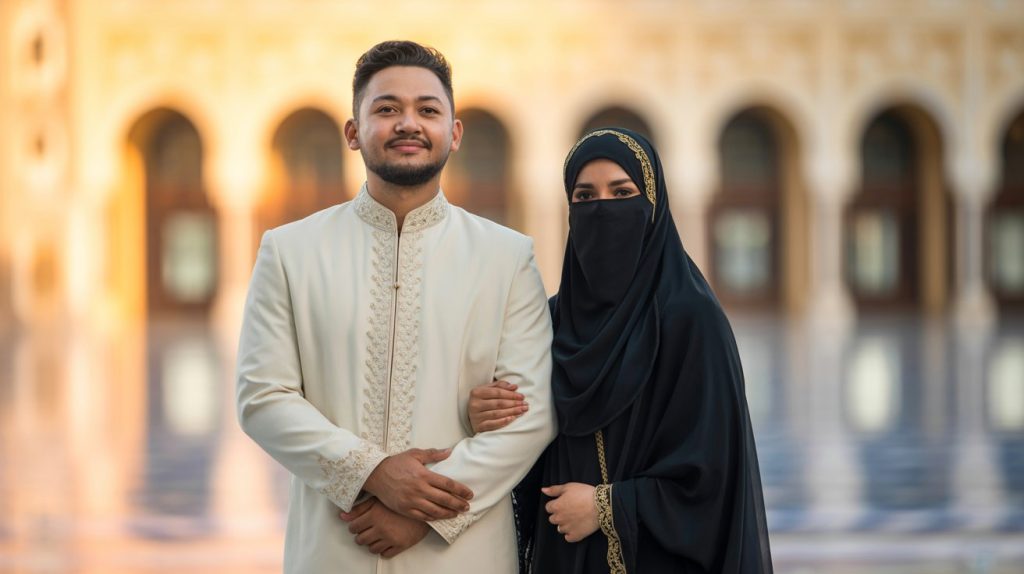
Muslim Marriage

Muslim Marriage

Love Marriage and Istikhara: How to Seek Allah’s Guidance Before Saying Yes

Marriage is one of the most significant decisions in a Muslim’s life. Islam regards it as a sacred bond built on faith, love, and mutual respect. In today’s time, many Muslims find themselves emotionally attached before marriage and wonder if Islam allows love marriages. Along with that, the question of Istikhara seeking Allah’s guidance arises when making such an important decision. Understanding Love Marriage in Islam In Islam, love itself is not forbidden. However, it is guided by principles of modesty and morality. A relationship between a man and woman must remain within the limits set by Allah. Islam allows a man and woman to marry if they love each other, as long as the process follows Islamic teachings meaning it is done respectfully, with family involvement, and without sinful interaction before marriage. The Prophet Muhammad ﷺ encouraged believers to marry for righteousness and character rather than appearance or wealth. He said: قَالَ رَسُولُ اللَّهِ ﷺ: “تُنْكَحُ الْمَرْأَةُ لِأَرْبَعٍ لِمَالِهَا وَلِحَسَبِهَا وَلِجَمَالِهَا وَلِدِينِهَا، فَاظْفَرْ بِذَاتِ الدِّينِ تَرِبَتْ يَدَاكَ”Translation: “A woman is married for four reasons: for her wealth, for her lineage, for her beauty, and for her religion. Choose the one with religion, may your hands be covered in dust (may you prosper).”(Sahih al-Bukhari 5090, Sahih Muslim 1466) This Hadith applies equally to men and women. The message is clear: marriage should be based on piety, not only emotion. Love that grows from sincerity and guided intention is blessed when formalized through nikah. When Love Leads to Marriage If two Muslims develop affection for one another with good intentions and without transgressing Islamic boundaries, there is no sin. However, they must take proper steps. Islam encourages transparency, discussing with parents, seeking advice from elders, and praying for Allah’s guidance. A love marriage becomes permissible and even virtuous when done through halal means. Allah reminds believers that He created love and mercy between spouses: وَمِنْ آيَاتِهِ أَنْ خَلَقَ لَكُمْ مِّنْ أَنفُسِكُمْ أَزْوَاجًا لِّتَسْكُنُوا إِلَيْهَا وَجَعَلَ بَيْنَكُم مَّوَدَّةً وَرَحْمَةً Translation: “And among His signs is that He created for you from yourselves mates that you may find tranquility in them; and He placed between you affection and mercy.”(Surah Ar-Rum 30:21) This verse emphasizes that love and compassion in marriage are divine blessings. The key is that such love should be directed toward lawful marriage, not toward relationships that displease Allah. The Role of Istikhara Before Marriage Istikhara is one of the most beautiful practices in Islam. The word Istikhara means “to seek what is best.” It is a form of dua where a believer asks Allah to guide them toward what will bring good in this world and the Hereafter. The Prophet Muhammad ﷺ taught his companions to perform Istikhara for all matters, especially serious decisions like marriage. The Hadith states: عَنْ جَابِرٍ بْنِ عَبْدِ اللَّهِ رضي الله عنه قَالَ: كَانَ رَسُولُ اللَّهِ ﷺ يُعَلِّمُنَا الِاسْتِخَارَةَ فِي الْأُمُورِ كُلِّهَا كَمَا يُعَلِّمُنَا السُّورَةَ مِنَ الْقُرْآنِ…Translation: Jabir ibn ‘Abdullah reported: The Messenger of Allah ﷺ used to teach us the way of doing Istikhara in all matters, as he taught us a surah from the Qur’an.(Sahih al-Bukhari 1162) This shows how important Istikhara is not only for marriage but for every decision requiring clarity. Yet, it becomes especially crucial when choosing a life partner. How to Perform Istikhara for Marriage Istikhara is simple and can be done by anyone. It should be performed with sincerity and calmness, without haste or emotional pressure. Step-by-step method: اللَّهُمَّ إِنِّي أَسْتَخِيرُكَ بِعِلْمِكَ، وَأَسْتَقْدِرُكَ بِقُدْرَتِكَ، وَأَسْأَلُكَ مِنْ فَضْلِكَ الْعَظِيمِ… Translation: “O Allah, I seek Your guidance through Your knowledge and seek ability through Your power, and I ask You from Your great bounty. For You have power and I have none; You know and I do not; and You are the Knower of the unseen. O Allah, if You know that this matter (mention the person’s name or the proposal) is good for me in my religion, my livelihood, and the outcome of my affair, then ordain it for me and make it easy for me, and bless me in it. And if You know that this matter is bad for me in my religion, my livelihood, and the outcome of my affair, then turn it away from me and turn me away from it, and decree for me what is good wherever it may be, and make me pleased with it.”(Sahih al-Bukhari 1162) Important note: Istikhara is not about seeing dreams or colors. It is about finding peace, clarity, or ease in your heart regarding a decision. Sometimes, Allah guides you through circumstances, feelings, or the advice of others. Common Misunderstandings About Istikhara Many people misunderstand Istikhara. Some believe they must see a dream or receive a sign, but this is not the correct teaching. Istikhara is about surrendering your will to Allah and trusting that He knows what is best for you. It may take days or weeks to feel at peace, but Allah always responds in the best way. The Prophet ﷺ taught believers to rely on Allah completely after Istikhara. The Qur’an says: فَإِذَا عَزَمْتَ فَتَوَكَّلْ عَلَى اللَّهِ ۚ إِنَّ اللَّهَ يُحِبُّ الْمُتَوَكِّلِينَ Translation: “And when you have decided, then rely upon Allah. Indeed, Allah loves those who rely [upon Him].”(Surah Aal-e-Imran 3:159) Thus, Istikhara does not replace effort or consultation. It completes the decision by ensuring divine approval. Combining Love and Istikhara A believer who experiences love should not rush into marriage without reflection. Instead, the correct approach is to combine emotion with faith. Performing Istikhara allows one to separate desire from destiny. If the person is right for you, Allah will make the path easy. If not, He will protect you from harm. Sometimes, couples perform Istikhara together or separately for confirmation. This is permissible. However, it must be remembered that Istikhara should be followed by contentment with Allah’s choice, not insistence on personal preference. Parental Guidance and Istikhara Islam places great emphasis on family involvement in marriage. Parents’ experience and blessings are invaluable. A believer should combine Istikhara with consultation (mashwara).
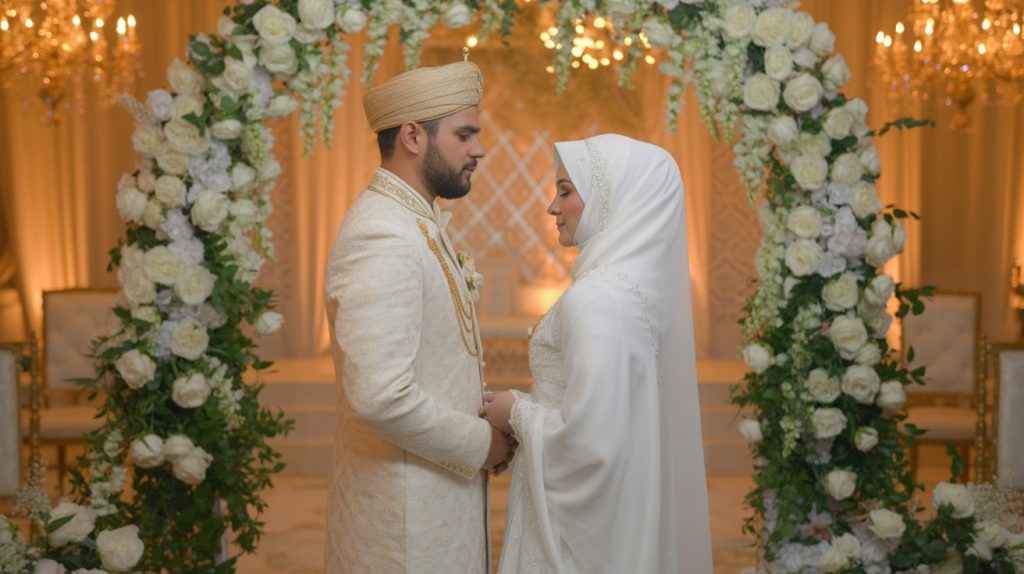
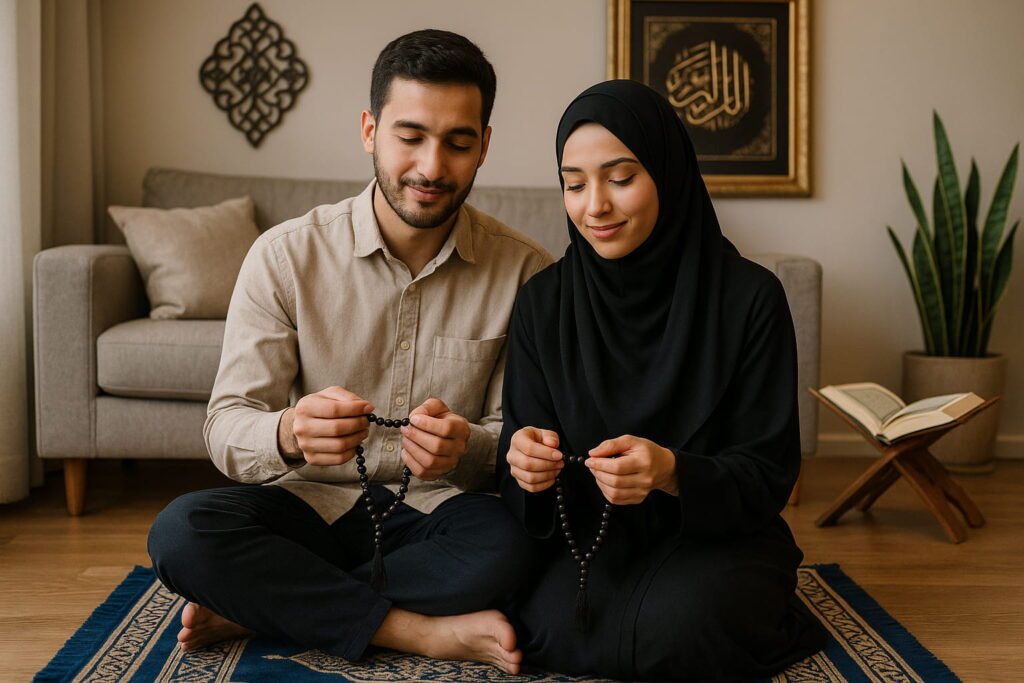
Love Marriage in Islam
Muslim Marriage

Love Marriage in Islam: A Complete Guide for Muslims Today

Marriage is one of the most beautiful and significant institutions in Islam. It is not merely a contract but a sacred commitment that completes half of one’s faith. For Muslims living in today’s modern and changing world, the question of love marriage in Islam has become an important topic. Many young Muslims wish to marry those they love, but they also want to ensure that their decision aligns with Islamic principles. Understanding what Islam teaches about love marriage helps believers make choices guided by faith and wisdom. The Foundation of Marriage in Islam Islam presents marriage as a spiritual and emotional bond that brings peace and mercy between two hearts. It is designed to protect morality, build families, and strengthen society. The Qur’an beautifully expresses the purpose and meaning of this relationship: وَمِنْ آيَاتِهِ أَنْ خَلَقَ لَكُم مِّنْ أَنفُسِكُمْ أَزْوَاجًا لِّتَسْكُنُوا إِلَيْهَا وَجَعَلَ بَيْنَكُم مَّوَدَّةً وَرَحْمَةً “And among His signs is that He created for you from yourselves mates that you may find tranquility in them; and He placed between you affection and mercy.”(Surah Ar-Rum, 30:21) This verse shows that love, comfort, and mercy are among Allah’s blessings in marriage. Islam does not reject love; rather, it guides it toward purity and stability through the lawful bond of Nikah. What Does Love Marriage Mean in Islam? A love marriage occurs when a man and a woman choose each other based on mutual affection before marriage. Islam does not condemn love itself because it is a natural human emotion created by Allah. What matters is how one manages that emotion within the boundaries of Islamic morality. “لَا مِثْلَ لِلنِّكَاحِ لِمَنْ أَحَبَّ بَعْضَهُ” “There is nothing like marriage for two who love each other.”(Sunan Ibn Majah, 1847) This saying shows that Islam encourages turning love into a lawful relationship through Nikah rather than engaging in secret or forbidden interactions. Islam does not forbid love marriage; it only forbids any unlawful actions that might occur before marriage, such as emotional or physical intimacy outside a lawful bond. When love is guided by faith, it becomes pure and blessed. Love Before Marriage: Islamic Boundaries Islam teaches self-control and modesty. It accepts that attraction may occur but advises believers to protect their hearts and actions. The Qur’an instructs men and women to lower their gaze and guard their chastity. This means avoiding unnecessary contact, secrecy, and situations that may lead to temptation. In Islam, if a person feels affection for someone, the proper way is to express this through a lawful proposal rather than through hidden communication. The Prophet ﷺ encouraged honesty and respect in such matters. Love should never become a reason to disobey Allah or harm one’s dignity. Instead, it should motivate a believer to seek marriage through lawful means. Consent and the Role of Family One of the strongest principles in Islam is that marriage requires mutual consent. Neither a man nor a woman can be forced into marriage. Both must agree freely. لَا تُنْكَحُ الْمَرْأَةُ حَتَّى تُسْتَأْمَرَ “A woman should not be married until her permission has been sought.”(Sahih al-Bukhari, 5136) At the same time, Islam encourages the involvement of parents and guardians. Marriage affects the whole family, and their guidance helps ensure the relationship begins with blessings and harmony. However, parental authority should never be used to suppress a lawful and sincere proposal. Islam emphasizes balance: the couple should act with respect, and the family should act with fairness. Cultural Traditions vs. Islamic Teachings Many Muslims face challenges because of cultural traditions that sometimes contradict Islamic values. In some societies, love marriages are rejected due to caste, race, or family status. Islam, however, does not recognize such divisions. The Prophet ﷺ taught that the best reason to marry someone is for their faith and character, not for their wealth or background. “إِذَا جَاءَكُمْ مَن تَرْضَوْنَ دِينَهُ وَخُلُقَهُ فَزَوِّجُوهُ إِلَّا تَفْعَلُوا تَكُنْ فِتْنَةٌ فِي الْأَرْضِ وَفَسَادٌ عَرِيضٌ” “When someone whose religion and character please you comes to you with a proposal, then marry him. If you do not, there will be corruption and great trouble on the earth.”(Jami‘ at-Tirmidhi, 1084) This Hadith teaches that social or cultural reasons should not prevent a lawful marriage between two believers. Faith and good manners are the true standards of worth in Islam. Can Love Lead to Marriage in Islam? Love can indeed lead to marriage in Islam when it is based on purity, honesty, and faith. Islam allows a man and woman to know each other for the purpose of marriage, but this must happen within limits. Conversations should remain respectful, intentions should be clear, and meetings should not occur in privacy. “إِذَا نَظَرَ أَحَدُكُمْ إِلَى امْرَأَةٍ فَأَعْجَبَتْهُ فَلْيَأْتِ أَهْلَهُ فَإِنَّ ذَٰلِكَ يَكْفِيهِ” “If one of you looks at a woman and she pleases him, let him go to his wife, for that will repel what he feels.”(Sahih Muslim, 1403) The Prophet ﷺ also encouraged potential spouses to look at one another before marriage to ensure compatibility, saying that it increases affection and understanding between them. This shows that emotional connection and attraction are not forbidden but should be pursued in a halal and respectful way. Love that leads to a lawful Nikah is not only accepted but also encouraged in Islam. The Simplicity and Sanctity of Nikah Nikah is one of the simplest yet most sacred acts in Islam. It consists of mutual consent, a proposal and acceptance, witnesses, and a mahr (bridal gift). Whether arranged or love-based, both are valid as long as these requirements are fulfilled. Islam encourages keeping marriage simple and avoiding extravagance. أَبَرَكُ النِّكَاحِ أَيْسَرُهُ “The most blessed marriage is the one with the least expense.”(Musnad Ahmad, 24529) This means that love marriages should also focus on sincerity rather than luxury. True blessing lies in simplicity, faith, and the intention to build a righteous home. When Families Disagree with Love Marriage Many young Muslims face situations where their families disapprove of their choice. Islam advises patience, respect, and gentle communication in such cases. A believer must not rebel

best dhikr for married couples
Muslim Marriage, Spiritual Practice

5 Best Dhikr Sayings for Married Muslim Couples

Marriage in Islam is a sacred bond built on love, mercy, and tranquility. Like any relationship, it needs patience, effort, and constant guidance from Allah (SWT). Dhikr the remembrance of Allah is a powerful way to strengthen this bond and invite peace into a couple’s life. In this article, we share the best dhikr for married couples to help deepen love and maintain a strong, faith-centered relationship. What Dua Is Given to Married Couples in Islam? One of the most well-known and beautiful duas for married couples is found in the Qur’an. It is a heartfelt prayer for love, tranquility, and piety within the family: “رَبَّنَا هَبْ لَنَا مِنْ أَزْوَاجِنَا وَذُرِّيَّاتِنَا قُرَّةَ أَعْيُنٍ وَاجْعَلْنَا لِلْمُتَّقِينَ إِمَامًا”  “Our Lord! Grant us from among our spouses and offspring comfort to our eyes and make us leaders of the righteous.”  (Surah Al-Furqan 25:74) This dua reflects the essence of a strong Islamic marriage. It reminds couples of the ultimate purpose of their union—to seek divine pleasure and be a source of comfort for one another. Reciting this dua regularly not only realigns the heart toward seeking Allah’s blessings but also fosters love and peace in the marriage. Can Dhikr Improve a Couple’s Relationship? Yes, absolutely! Dhikr plays an essential role in strengthening relationships. It softens hearts, calms the soul, and brings divine blessings into daily life. When married couples engage in dhikr together, their bond moves beyond the physical and emotional and reaches a spiritual level. Here’s how it works: By incorporating dhikr into daily life, couples can transform their relationship into one filled with Allah’s love and mercy. What Are the Best Dhikr Sayings for Love Between Husband and Wife? Here are five beautiful and effective dhikr sayings to foster love, peace, and harmony between spouses: سُبْحَانَ اللَّهِ وَبِحَمْدِهِ، سُبْحَانَ اللَّهِ الْعَظِيمِ Glory is to Allah and praise is to Him, glory is to Allah the Almighty.   Praising Allah through this dhikr brings tranquility and inner peace, which reflects in your interactions with your spouse.   Repeating this name of Allah can increase affection and harmony between husband and wife. It is a powerful reminder of Allah’s attribute as the Most Loving.   Seeking forgiveness regularly helps cleanse the heart of anger, resentment, and misunderstandings, paving the way for love and understanding.   This dhikr strengthens the heart, helping couples endure and overcome marital challenges with reliance on Allah.   Invoking Allah’s name before every joint activity—from meals to conversations—invites barakah into all aspects of your married life. When recited with sincerity and devotion, these dhikr sayings can significantly enhance the love and understanding between couples. Is There Any Tasbeeh to Increase Love Between Spouses? Yes, there is! The tasbeeh of “Ya Wadood” (O Most Loving) is particularly recommended for married couples seeking to increase love and unity. Here’s how you can practice it: This simple yet profound act of dhikr, when done regularly, can open the doors to Allah’s mercy and blessings, deepening the bond of love between spouses. Which Surah or Dhikr Should Couples Recite Together? Sharing moments of worship not only strengthens your relationship with Allah but also nurtures your relationship with your spouse. Here are some recommended surahs and dhikr for couples to recite together: Surahs to Recite Together:   A sublime reminder of Allah’s mercy and the beauty of His creation, including the sacred bond of marriage.    Known as the opening chapter of the Qur’an, it’s a source of healing and blessings.    These surahs offer protection, spiritual well-being, and help dispel negativity from your home. Dhikr to Perform Together: After each prayer, recite the following together: This beautiful act of remembrance brings immense blessings and strengthens the spiritual connection between partners. Nurture Love and Peace in Your Marriage with Dhikr Marriage is a beautiful bond built on faith, love, and mutual respect. However, like any relationship, it needs nurturing. Through dhikr, couples can keep their connection to Allah alive while strengthening their commitment to each other. Start small. Choose one dhikr or surah from the list above and make it a regular habit. You’ll notice how it transforms not just your marriage but your life as a whole, bringing you closer to Allah and filling your home with His blessings. What Is the Daily Dhikr for Married Couples to Stay Happy? A simple yet powerful daily routine could include: Morning: Begin your day together by saying “Bismillah” and “Alhamdulillah.” Starting your morning with gratitude and remembrance of Allah sets a positive and spiritual tone for the day ahead. Evening: Recite “Astaghfirullah” 100 times together in the evening. This act of seeking forgiveness cleanses the hearts and minds, removing negativity and fostering peace in the relationship. Before Sleep: End your day with the joint recitation of the last three Surahs – Ikhlas, Falaq, and Naas. These Surahs provide protection and peace, ensuring your home is surrounded by Allah’s blessings as you rest. Night Prayer (Tahajjud): Even praying together once a week during the blessed time of Tahajjud has immense benefits. This spiritual act strengthens the bond between husband and wife and brings your hearts closer in the worship of Allah. Remember, consistency is more important than quantity. By incorporating these small yet profound practices into your daily routine, you’ll keep your home spiritually alive and filled with marital bliss. Which Dhikr Strengthens Marriage in Islam? Dhikr That Encourages Patience, Mercy, and Reliance on Allah A strong and harmonious marriage requires the foundation of patience, mercy, and mutual reliance on Allah. Islam emphasizes the importance of nurturing these qualities, and certain dhikr (remembrances of Allah) can help instill them in both partners. Repeating these powerful phrases not only calms the soul but also reminds spouses of the divine guidance and support available to them in every situation. حَسْبُنَا اللَّهُ وَنِعْمَ الْوَكِيلُ Allah is Sufficient for us, and He is the Best Disposer of affairs.  This dhikr is a profound expression of trust in Allah, especially during challenging times or conflicts in marriage. When both partners recite this regularly, it serves as a reminder

Happy Muslim Marriage
Muslim Marriage

5 Core Principles for a Happy Muslim Marriage According to Islam

In Islam, marriage is not just a contract; it’s a sacred bond built on love, mercy, and trust. A Happy Muslim Marriage is the foundation of a stable Islamic society and the key to spiritual and emotional well-being for both spouses. Understanding the core principles that guide a successful Islamic marriage can lead to long-lasting peace and happiness between husband and wife. Principle 1: Mutual Love and Mercy (مودة ورحمة) A cornerstone of a Happy Muslim Marriage is the presence of mawaddah (love) and rahmah (mercy) between husband and wife. This divine pairing is beautifully described in the Qur’an. Qur’anic Verse: وَمِنْ آيَاتِهِ أَنْ خَلَقَ لَكُم مِّنْ أَنفُسِكُمْ أَزْوَاجًۭا لِّتَسْكُنُوٓا إِلَيْهَا وَجَعَلَ بَيْنَكُم مَّوَدَّةًۭ وَرَحْمَةً “And among His signs is this: that He created for you spouses from among yourselves so that you may find tranquility in them, and He placed between you love and mercy.” — Surah Ar-Rum 30:21 Explanation: Hadith: The Prophet ﷺ said:“The best of you is the one who is best to his wife.” — [Tirmidhi, 3895] This teaches that love and mercy should not be passive feelings but active actions shown daily through words and behavior. Principle 2: Justice and Fair Treatment Another pillar of a Happy Muslim Marriage is treating your spouse with fairness in all matters—emotional, financial, and personal. Qur’anic Verse: فَإِن كَرِهْتُمُوهُنَّ فَعَسَىٰٓ أَن تَكْرَهُوا۟ شَيْـًۭٔا وَيَجْعَلَ ٱللَّهُ فِيهِ خَيْرًۭا كَثِيرًۭا “If you dislike them, it may be that you dislike something in which Allah has placed much good.” — Surah An-Nisa 4:19 Explanation: Hadith: The Prophet ﷺ said:“Every one of you is a shepherd, and every one of you is responsible for his flock…” — [Bukhari and Muslim] A Happy Muslim Marriage requires that each spouse fulfill their role with fairness and responsibility. Principle 3: Open and Honest Communication Islam encourages open and respectful dialogue between spouses. A Happy Muslim Marriage cannot survive without truthful and clear communication. Qur’anic Verse: يَـٰٓأَيُّهَا ٱلَّذِينَ ءَامَنُوا۟ ٱتَّقُوا۟ ٱللَّهَ وَقُولُوا۟ قَوْلًۭا سَدِيدًۭا “O you who have believed, fear Allah and speak words of appropriate justice.” — Surah Al-Ahzab 33:70 Explanation: Hadith: The Prophet ﷺ said:“The most perfect believers in faith are those best in character, and the best of you are those who are best to their women.” — [Tirmidhi, 1162] A Happy Muslim Marriage flourishes when both partners can speak openly and listen actively. Principle 4: Emotional and Physical Intimacy Physical and emotional closeness is not only allowed in Islam—it is rewarded. Spouses are garments for one another, offering protection and comfort. Qur’anic Verse: هُنَّ لِبَاسٌۭ لَّكُمْ وَأَنتُمْ لِبَاسٌۭ لَّهُنَّ “They are clothing for you and you are clothing for them.” — Surah Al-Baqarah 2:187 Explanation: Hadith: The Prophet ﷺ said:“In your sexual intimacy, there is charity.” The Sahabah asked, “O Messenger of Allah, is there reward for one of us when he satisfies his desire?”He ﷺ replied: “If he were to do it unlawfully, would he not be sinful? So if he does it lawfully, he is rewarded.” — [Muslim, 1006] A Happy Muslim Marriage involves not just lawful intimacy, but one that is loving, considerate, and spiritually uplifting. Principle 5: Forgiveness and Patience (Sabr) No marriage is free from mistakes or conflict. What distinguishes a Happy Muslim Marriage is the couple’s ability to forgive and show patience during trials. Qur’anic Verse: وَلَمَن صَبَرَ وَغَفَرَ إِنَّ ذَٰلِكَ لَمِنْ عَزْمِ ٱلْأُمُورِ “And whoever is patient and forgives — indeed, that is of the matters requiring determination.” — Surah Ash-Shura 42:43 Explanation: Hadith: The Prophet ﷺ said:“A believing man should not hate a believing woman. If he dislikes one of her traits, he will be pleased with another.” — [Muslim, 1469] This principle teaches us that a Happy Muslim Marriage is not free of problems—but full of patience and emotional strength to overcome them. Balancing Deen and Dunya in a Happy Muslim Marriage A Happy Muslim Marriage does not mean a life free from challenges—it means striving together for Allah’s pleasure in both spiritual and worldly matters. When husband and wife walk the path of Islam hand in hand, their bond strengthens in both this life and the Hereafter. Spiritual Partnership A Happy Muslim Marriage grows when both partners uplift each other in faith and character. Supporting Each Other in Worldly Needs The Prophet ﷺ helped in household chores and said,“The best of you are those who are best to their families.” — [Ibn Majah, 1977] This shows that mutual support is not a modern concept—it’s Sunnah. Raising Children Together with Islamic Values When a couple has children, their marriage gains a new dimension. A Happy Muslim Marriage includes shared responsibility in nurturing righteous children. Joint Parenting in Islam وَأْمُرْ أَهْلَكَ بِٱلصَّلَوٰةِ وَٱصْطَبِرْ عَلَيْهَا “And enjoin prayer upon your family and be steadfast therein.” — Surah Taha 20:132 Raising children is not just about physical care—it’s about building an Islamic environment at home. Conflict Resolution in a Happy Muslim Marriage Even in the most blessed marriages, disagreements happen. What defines a Happy Muslim Marriage is how these conflicts are handled—with wisdom, patience, and without ego. Islamic Tools for Peaceful Resolution The Prophet ﷺ said:“Whoever suppresses his anger when he is able to act upon it, Allah will fill his heart with satisfaction on the Day of Judgment.” — [Tabarani] A Happy Muslim Marriage doesn’t ignore problems—it solves them with Islamic manners. Daily Sunnah Practices to Strengthen Marriage Islam provides daily habits that directly strengthen love and mercy between spouses, forming the bedrock of a Happy Muslim Marriage. Daily Sunnahs to Practice: The Prophet ﷺ said:“When a man feeds his wife, it is charity.” — [Bukhari and Muslim] These small Sunnahs add up, making everyday life feel sacred and beautiful. Role of Gratitude in a Happy Muslim Marriage Thankfulness in Islam is a powerful tool for maintaining peace and increasing blessings. A Happy Muslim Marriage requires both partners to show gratitude—for the big things and the small. Qur’anic Principle: لَئِن شَكَرْتُمْ لَأَزِيدَنَّكُمْ “If you are grateful, I will surely increase you [in favor].” — Surah

Muslim Marriage

Divorce and Remarriage in Islam: Qur’anic Guidance and Prophetic Teachings

Divorce and remarriage in Islam are sensitive yet significant topics that impact countless Muslim families. Islam recognizes the emotional, spiritual, and social aspects of marriage and provides clear guidance when a marriage cannot continue. This article explores the Islamic perspective on divorce and remarriage, supported by Qur’anic verses and Hadiths, offering a holistic view on the subject for both men and women. Understanding the Concept of Divorce in Islam Divorce (ṭalāq) in Islam is neither encouraged nor completely forbidden. It is permitted when all efforts of reconciliation fail. The Qur’an outlines a fair and structured process for divorce that safeguards the rights of both spouses. Qur’anic Guidance on Divorce 1. Surah Al-Baqarah (2:229) ٱلطَّلَـٰقُ مَرَّتَانِ فَإِمْسَاكٌۢ بِمَعْرُوفٍ أَوْ تَسْرِيحٌۢ بِإِحْسَـٰنٍۢ ۚ Translation: “Divorce is twice. Then, either keep [her] in an acceptable manner or release [her] with good treatment.” — Surah Al-Baqarah 2:229 2. Surah At-Talaq (65:2-3) وَمَن يَتَّقِ ٱللَّهَ يَجْعَل لَّهُۥ مَخْرَجًۭا • وَيَرْزُقْهُ مِنْ حَيْثُ لَا يَحْتَسِبُ Translation: “And whoever fears Allah – He will make for him a way out and provide for him from where he does not expect.” — Surah At-Talaq 65:2-3 The Waiting Period (‘Iddah) After Divorce Qur’anic Command on ‘Iddah 3. Surah Al-Baqarah (2:228) وَٱلْمُطَلَّقَـٰتُ يَتَرَبَّصْنَ بِأَنفُسِهِنَّ ثَلَـٰثَةَ قُرُوءٍ Translation: “Divorced women shall wait for three menstrual cycles before remarrying.” — Surah Al-Baqarah 2:228 Remarriage in Islam After Divorce Islam not only permits remarriage but encourages it to protect individuals from loneliness and immorality. Qur’anic Perspective on Remarriage 4. Surah Al-Baqarah (2:232) فَإِذَا طَلَّقْتُمُ ٱلنِّسَآءَ فَبَلَغْنَ أَجَلَهُنَّ فَلَا تَعْضُلُوهُنَّ أَن يَنكِحْنَ أَزْوَٟجَهُنَّ Translation: “And when you divorce women and they have fulfilled their term, do not prevent them from remarrying their [former] husbands.” — Surah Al-Baqarah 2:232 Hadiths About Divorce and Remarriage 1. Divorce Is the Most Hated Permissible Act Narrated by Abdullah ibn Umar (رضي الله عنه): “The most hated permissible thing to Allah is divorce.” — (Abu Dawood, 2178) 2. Woman’s Right to Seek Divorce (Khul’) Narrated by Ibn Abbas (رضي الله عنه): “The wife of Thabit bin Qais came to the Prophet (ﷺ) and said, ‘O Allah’s Messenger! I do not blame Thabit for defects in his character or religion, but I, being a Muslim, dislike behaving in an un-Islamic manner if I remain with him.’ The Prophet (ﷺ) said (to her), ‘Will you give back the garden which your husband gave you (as Mahr)?’ She said ‘Yes.’ Then the Prophet (ﷺ) said to Thabit, ‘Take back your garden, and divorce her once.’” Conditions and Etiquette of Divorce in Islam Key Islamic Rules for Divorce Islamic Manners During Divorce Reconciliation and Second Chances in Islam 5. Surah An-Nisa (4:130) وَإِن يَتَفَرَّقَا يُغْنِ ٱللَّهُ كُلًّۭا مِّن سَعَتِهِۦ Translation: “But if they separate, Allah will enrich each of them from His abundance.” — Surah An-Nisa 4:130 Summary of Islamic Teachings on Divorce and Remarriage Certainly! Here is the continued part of the article on Divorce and Remarriage in Islam, with more depth, Qur’anic verses (with Arabic and translation), Hadiths, and structured Markdown formatting. Remarriage After Divorce: Wisdom and Ethics in Islam Remarriage is not just allowed in Islam—it is sometimes encouraged. Islam acknowledges human emotions and the need for companionship, thus providing lawful means to begin a new marital life after divorce. Social and Spiritual Benefits of Remarriage Halalah: A Misunderstood Concept One of the most misinterpreted issues in Islamic divorce law is “Halalah.” This refers to a situation where a husband divorces his wife irrevocably (third divorce), and she cannot remarry him unless she marries another man genuinely, consummates the marriage, and that marriage ends naturally. Authentic Hadith on Halalah Narrated by Ali ibn Abi Talib (رضي الله عنه): “The Messenger of Allah (ﷺ) cursed the one who does Halalah and the one for whom Halalah is done.” — (Sunan Ibn Majah 1936) Women’s Rights in Divorce and Remarriage Islam gave women rights of divorce (Khul’), remarriage, and financial support, long before modern legal systems recognized them. Rights of Women in Islam During and After Divorce Children and Divorce in Islam Islam emphasizes the well-being of children after divorce. While custody may go to the mother in most cases, the father is still responsible for financial support. Hadith on Child Custody Narrated by Abdullah ibn Amr (رضي الله عنه): “A woman said, ‘O Messenger of Allah, this is my son; my womb carried him, my breast fed him, and my lap was his abode. His father has divorced me and wants to take him from me.’ The Prophet (ﷺ) said, ‘You have more right to him as long as you do not remarry.’” — (Abu Dawood 2276) Common Misconceptions About Divorce in Islam Misconception 1: Only Men Can Divorce Misconception 2: Remarriage Is Shameful Example from the Life of Prophet Muhammad ﷺ The Prophet Muhammad ﷺ himself set the best example regarding divorced women: Final Qur’anic Reminder on Justice and Kindness 6. Surah Al-Mumtahanah (60:8) إِنَّ ٱللَّهَ يُحِبُّ ٱلْمُقْسِطِينَ Translation: “Indeed, Allah loves those who act justly.” — Surah Al-Mumtahanah 60:8 Key Points Recap Marrying a Divorced Woman: Breaking Social Taboos Islam strongly opposes stigmatizing a person—especially a woman—for being divorced. Instead, the Prophet Muhammad ﷺ personally broke this stigma. Example: Prophet’s Marriage to Divorced Women Qur’anic Reference (Surah Al-Ahzab 33:37) فَلَمَّا قَضَىٰ زَيْدٌۭ مِّنْهَا وَطَرًۭا زَوَّجْنَـٰكَهَا Translation: “So when Zayd had no longer any need for her, We married her to you…” Remarriage of Divorced Men in Islam Just like women, divorced men are also permitted to remarry. However, they must ensure fairness and honesty in every new marriage contract. Responsibilities Upon Remarriage Financial Obligations After Divorce Islam emphasizes fair treatment even after divorce. The husband must not cause harm financially or emotionally. Qur’anic Guidance: Surah Al-Baqarah (2:241) وَلِلْمُطَلَّقَـٰتِ مَتَـٰعٌۭۚ بِٱلْمَعْرُوفِ ۖ حَقًّا عَلَى ٱلْمُتَّقِينَ Translation: “For divorced women is a provision according to what is acceptable – a duty upon the righteous.” Scholarly Opinions on Divorce and Remarriage Majority View (Hanafis, Shafi’is, Malikis, Hanbalis) Scholars Emphasize: Psychological and Emotional Aspects Islam is not just about laws—it considers the

communicate with your wife
Muslim Marriage

Communication with Your Wife | 10 Islamic Tips for Husbands

In Islam, marriage is a sacred and lifelong bond founded on love, trust, and mutual respect. A key part of this relationship is effective communication with your wife, which helps nurture understanding and emotional connection. Islam places great importance on kindness, patience, and compassion within the home. When a husband follows these values, it creates a peaceful and loving environment. Strengthening communication is not just beneficial it’s a part of fulfilling one’s role with sincerity and care. 10 Best Tips for Husbands to Communicate With Their Wives   Truly listening means focusing on your wife’s words without interruptions or distractions. Show her that her voice matters by maintaining eye contact, nodding, and responding thoughtfully to what she shares.   Choose your words carefully and speak to your wife with kindness and respect. Harsh or hurtful language can damage trust, so always aim to communicate with love and gentleness.   Try to understand your wife’s emotions and perspectives. When she shares her feelings or concerns, acknowledge them and show that you genuinely care about how she feels.   Instead of criticizing, focus on constructive feedback and express your concerns with sensitivity. Pointing out flaws without care can create defensiveness and hinder open communication.   Don’t take the little things for granted. Make it a habit to thank your wife for her efforts and contributions. A simple “thank you” or acknowledgment can go a long way.   Arguments or disagreements are natural, but how you handle them is crucial. Stay calm, avoid yelling, and focus on finding solutions rather than assigning blame during conflicts.   Set aside dedicated time to talk without distractions. Whether it’s during meals, a walk, or before bed, meaningful conversations strengthen your emotional connection.   Honesty builds trust, which is the foundation of any strong relationship. Be open and sincere in sharing your thoughts and feelings, and encourage your wife to do the same.   Communication is a two-way street, and sometimes understanding one another takes time. Be patient with your wife’s process of expressing herself and give her the space to share fully.    The Prophet Muhammad (PBUH) treated his wives with the utmost respect, affection, and care. Strive to emulate his example by being gentle, supportive, and understanding in all your interactions. By applying these tips, husbands can foster a connection built on trust, respect, and love, creating a home environment that reflects the values of compassion and harmony emphasized in Islam. The Foundation of Communication in Islamic Marriage Marriage in Islam is seen as a spiritual and emotional partnership. The Quran describes it as a relationship of tranquility, love, and mercy: وَمِنْ آيَاتِهِ أَنْ خَلَقَ لَكُم مِّنْ أَنفُسِكُمْ أَزْوَاجًا لِّتَسْكُنُوا إِلَيْهَا وَجَعَلَ بَيْنَكُم مَّوَدَّةً وَرَحْمَةً ۚ إِنَّ فِي ذَٰلِكَ لَآيَاتٍ لِّقَوْمٍ يَتَفَكَّرُونَ (سورة الروم – 30:21) “And among His signs is this: that He created for you spouses from among yourselves so that you may find tranquility in them; and He placed between you affection and mercy. Indeed in that are signs for people who reflect.” (Surah Ar-Rum – 30:21) This verse highlights the deep emotional connection meant to exist between spouses. Communication is a vital part of nurturing this bond; it allows both partners to express their feelings, solve issues, and grow together. Miscommunication, on the other hand, can create distance even in close relationships. How to Communicate with Your Wife in Islam Begin with Good Intentions (Niyyah) and Kindness in Speech Good communication starts with the right intention. Before engaging in conversations with your wife, clarify your niyyah, or intention. Are you approaching the discussion with the goal of understanding, resolving an issue, or showing love and care? Clear intentions ensure that your words are purposeful and beneficial. The Quran encourages believers to speak with kindness: وَقُولُوا لِلنَّاسِ حُسْنًا (سورة البقرة – 2:83) “And speak to people good words.” Respect, Listen, and Support Respect is a two-way street in marriage. Ensure that your words and actions consistently demonstrate your appreciation for her as your partner. Listening closely to your wife’s thoughts without interrupting her shows that you value her perspective. When engaging in discussions, offer emotional support and reassurance. Sometimes your wife doesn’t need solutions; she simply needs you to listen and empathize with what she’s experiencing. Pay Attention to Tone, Timing, and Words A gentle tone matters. Even valid points or suggestions can feel harsh or dismissive when spoken in anger or frustration. Choose the right time to have important discussions. For instance, a serious conversation might not be ideal when stress levels are high after a long day. Reflect on your words before you speak to ensure they promote love and understanding. What Does the Quran Say About Treating Your Wife? The Quran provides divine guidance on treating your wife with fairness and care. It emphasizes principles such as mercy, compassion, and justice in all interactions. Mercy and Compassion in Marriage وَعَاشِرُوهُنَّ بِالْمَعْرُوفِ ۚ فَإِن كَرِهْتُمُوهُنَّ فَعَسَىٰ أَن تَكْرَهُوا شَيْئًا وَيَجْعَلَ ٱللَّهُ فِيهِ خَيْرًا كَثِيرًا (سورة النساء – 4:19) “And live with them in kindness. For if you dislike them, perhaps you dislike a thing and Allah makes therein much good.” (Surah An-Nisa – 4:19) This verse underscores the importance of treating your wife with constant kindness and choosing to see the good in your relationship, even during challenging times. The Principle of “Ma’ruf” in Interactions The term “ma’ruf” appears repeatedly in the Quran, referring to behavior that is honorable and customary. For husbands, this concept means behaving in ways that promote her emotional, physical, and spiritual well-being. Emotional Well-Being Respecting your wife’s feelings and emotions is an essential part of “ma’ruf.” A husband should strive to create an environment where his wife feels secure, valued, and supported. The Prophet Muhammad’s (PBUH) Teachings on Spousal Communication The best example of how a husband should communicate with his wife can be found in the life of the Prophet Muhammad (PBUH). His interactions with his wives provide profound lessons in patience, kindness, and understanding. Gentle Speech and Patience The Prophet (PBUH) always spoke to his wives with kindness and never raised his

Muslim Marriage

10 Quranic Verses for Spouses: Strong Marriage

Marriage is a sacred bond in Islam, a spiritual and emotional partnership rooted in love, tranquility, and mercy. The Quran offers powerful Quranic verses for spouses to guide couples in strengthening their relationship, protecting each other’s rights, and building a peaceful home that pleases Allah. The Importance of Marriage in Islam Marriage is a source of emotional peace and spiritual stability. It brings two individuals together to complete their faith, support one another, and build a righteous family. Key values in an Islamic marriage: Surah Ar-Rum – Tranquility, Love, and Mercy وَمِنْ آيَاتِهِۦٓ أَنْ خَلَقَ لَكُم مِّنْ أَنفُسِكُمْ أَزْوَٰجًۭا لِّتَسْكُنُوٓا۟ إِلَيْهَا وَجَعَلَ بَيْنَكُم مَّوَدَّةًۭ وَرَحْمَةً ۚ إِنَّ فِى ذَٰلِكَ لَءَايَـٰتٍۢ لِّقَوْمٍۢ يَتَفَكَّرُونَ “And among His signs is that He created for you from yourselves mates that you may find tranquility in them, and He placed between you love and mercy. Surely in this are signs for people who reflect.”(Surah Ar-Rum 30:21) This verse teaches that peace and comfort in marriage are divine gifts. Love and mercy between spouses are not random emotions—they are part of Allah’s perfect design. Surah Al-Baqarah – Spouses as Garments هُنَّ لِبَاسٌۭ لَّكُمْ وَأَنتُمْ لِبَاسٌۭ لَّهُنَّ “They are a garment for you, and you are a garment for them.”(Surah Al-Baqarah 2:187) This profound example shows that spouses provide protection, comfort, and support for one another. Like clothing, they cover faults, offer warmth, and beautify each other’s lives. Surah An-Nisa – Kindness in Everyday Life وَعَاشِرُوهُنَّ بِالْمَعْرُوفِ “And live with them in kindness.”(Surah An-Nisa 4:19) This verse reminds husbands to treat their wives with gentleness and fairness. Kindness is not optional—it’s an everyday command that builds trust, love, and long-term harmony. Surah Al-Furqan – A Du’a for Peaceful Families رَبَّنَا هَبْ لَنَا مِنْ أَزْوَٰجِنَا وَذُرِّيَّـٰتِنَا قُرَّةَ أَعْيُنٍۢ وَٱجْعَلْنَا لِلْمُتَّقِينَ إِمَامًۭا “Our Lord, bless us with spouses and offspring who will be the comfort of our eyes, and make us leaders for the righteous.”(Surah Al-Furqan 25:74) This supplication highlights the spiritual purpose of marriage. Spouses and children should be a source of joy and pride—not just in worldly terms, but as partners in faith and righteousness. Surah Al-A’raf – Created from One Soul هُوَ ٱلَّذِى خَلَقَكُم مِّن نَّفْسٍۢ وَٰحِدَةٍۢ وَجَعَلَ مِنْهَا زَوْجَهَا لِيَسْكُنَ إِلَيْهَا “It is He who created you from a single soul and made from it its mate that he might find comfort in her.”(Surah Al-A’raf 7:189) This verse shows the spiritual and emotional unity of husband and wife. Being created from one soul means their bond is rooted in divine purpose, not just physical attraction. Quranic Values for a Strong Marriage The Quran gives timeless guidance for maintaining peace, love, and respect within a marriage. These values help couples build a life that is emotionally fulfilling and spiritually uplifting. Key principles to apply: Daily Practices Inspired by the Quran Turning these verses into practical habits strengthens the marriage both emotionally and spiritually. Ways to live by Quranic wisdom: Marriage as a Journey Toward Jannah Marriage is not just about companionship—it’s a spiritual journey. A husband and wife who support each other in their deen are partners not only in this world, but also in the Hereafter. By following the Quran’s teachings, couples can transform their relationship into a path toward Jannah. Every act of kindness, every moment of patience, and every shared prayer becomes part of that journey. Marriage Challenges and Quranic Solutions Every relationship goes through challenges. Even in the best marriages, there are moments of tension, emotional distance, or disagreement. The Quran provides not only spiritual wisdom but also practical tools to handle difficulties with grace. Quranic approaches to overcoming marital struggles: Verse to reflect during conflict: وَإِنْ خِفْتُمْ شِقَاقَ بَيْنِهِمَا فَٱبْعَثُوا۟ حَكَمًۭا مِّنْ أَهْلِهِۦ وَحَكَمًۭا مِّنْ أَهْلِهَآ إِن يُرِيدَآ إِصْلَـٰحًۭا يُوَفِّقِ ٱللَّهُ بَيْنَهُمَآ ۗ “If you fear a breach between the two, appoint an arbitrator from his family and an arbitrator from hers. If they both desire reconciliation, Allah will cause it between them.”(Surah An-Nisa 4:35) This verse encourages seeking peaceful resolution through honest conversation and external support when needed, showing that Islam promotes problem-solving, not silent suffering. The Role of Spiritual Connection in Marriage When a couple connects spiritually, their love grows deeper and more purposeful. Marriage isn’t just about emotional happiness—it’s a platform for growing closer to Allah together. Strengthening your spiritual bond: A couple that grows spiritually builds resilience, trust, and barakah (divine blessings) in their home. Building a Lasting Legacy Through Marriage An Islamic marriage isn’t just about companionship in this life—it’s about creating a legacy of faith, love, and guidance for future generations. When spouses live by Quranic values, they become role models for their children, their communities, and ultimately, their ummah. How couples can leave a legacy: Marriage in Light of the Hereafter The ultimate goal for every believer is not only a peaceful home in this world, but also reunion with their loved ones in Jannah. A righteous couple helps each other strive for the Akhirah, encouraging each other toward good deeds, taqwa (God-consciousness), and repentance. Verse about eternal companionship: جَنَّـٰتُ عَدْنٍۢ يَدْخُلُونَهَا وَمَن صَلَحَ مِنْ ءَابَآئِهِمْ وَأَزْوَٰجِهِمْ وَذُرِّيَّـٰتِهِمْ ۖ وَٱلْمَلَـٰٓئِكَةُ يَدْخُلُونَ عَلَيْهِم مِّن كُلِّ بَابٍۢ “Gardens of everlasting bliss which they will enter, along with their righteous parents, spouses, and offspring. And the angels will enter upon them from every gate.”(Surah Ar-Ra’d 13:23) This verse is a powerful reminder that those who live righteously together can be united again in the Hereafter, forever. A Reminder to Every Spouse Always remember: no marriage is perfect, but with the Quran as your guide, every marriage can be meaningful, fulfilling, and spiritually rich. Simple reminders for daily reflection: Quranic Verses About Spouses and Marital Life Islam’s guidance on marriage is both comprehensive and compassionate. Here are additional verses that highlight the depth of the relationship between husband and wife. Surah An-Nahl – Gratitude in Blessings وَٱللَّهُ جَعَلَ لَكُم مِّنْ أَنفُسِكُمْ أَزْوَٰجًۭا وَجَعَلَ لَكُم مِّنْ أَزْوَٰجِكُم بَنِينَ وَحَفَدَةًۭ وَرَزَقَكُم مِّنَ ٱلطَّيِّبَـٰتِ ۚ “And Allah has made for you from your own selves mates and has made for

Communicate with Your Husband
Muslim Marriage

Communication with Husband | Best Islamic Marriage Tips

Marriage in Islam is not just a contract; it is a deeply spiritual bond that requires effort, understanding, and mutual respect. At the heart of a strong Islamic marriage lies effective communication. How we speak with our spouses, the intention behind our words, and the tone we use all play vital roles in nurturing a loving and harmonious relationship.  This guide explores communication in marriage through the lens of Islam, offering insights from the Quran, hadith, and Islamic history. Whether you’re looking to deepen your connection with your husband or enhance the spiritual foundation of your marriage, you’ll find practical and faith-inspired advice here.  Why Is Communication Important in Marriage in Islam?  “They Are Your Garments”: The Quranic Perspective on Marriage  The Quran beautifully describes the husband-wife relationship as  هُنَّ لِبَاسٌۭ لَّكُمْ وَأَنتُمْ لِبَاسٌۭ لَّهُنَّ ۗ (Surah Al-Baqarah, 2:187) English Translation: “They are your garments and you are their garments.” (Surah Al-Baqarah, 2:187)  This verse signifies closeness, protection, comfort, and a sense of being indispensable to each other. Communication is essential to uphold these qualities, fostering an atmosphere of mutual trust and love.  Emotional, Mental, and Spiritual Benefits  Open and compassionate communication helps both spouses feel understood, valued, and supported. It allows couples to address issues before they escalate, reducing misunderstandings and nurturing mental and emotional connection. On a spiritual level, healthy communication strengthens bonds that align with Islamic principles of kindness and compassion.  Family Harmony and Raising Peaceful Children  The family is the foundation of society, and when marital communication is healthy, it reflects positively on children and other family members. Children learn to emulate the respectful dynamics they witness at home, which contributes to raising individuals in a peaceful and loving environment. Parents who engage in kind and thoughtful dialogue will likely instill the same behavior in their children.  How Should a Wife Communicate with Her Husband?  Lessons from the Life of the Prophet Muhammad ﷺ and His Wives  The Prophet Muhammad ﷺ exemplified kindness, respect, and emotional intelligence in his interactions with his wives. He often listened to their concerns, valued their opinions, and encouraged open dialogue. For example, his wife Aisha (RA) famously narrated many hadith, reinforcing how he valued her knowledge and perspective. Modeling this type of respectful communication in your marriage can create a loving partnership.  Tone, Timing, and Intention  Islam teaches us to pay attention to not only what we say but also how we say it. A gentle tone, chosen words, and the right moment can make a world of difference in conveying your message effectively. Initiating conversations with the intention to build understanding, rather than to criticize, aligns with the Islamic principle of husn al-khuluq (good character).  The Prophet ﷺ advised, “The best of you are those who are best to their wives.” (Tirmidhi). This hadith underscores the importance of kindness in communication, setting an example for both husbands and wives.  How to Communicate with Your Husband in Islam?  1. Speak with Gentleness  The Quran advises speaking with gentle words, even when addressing adversaries.  فَقُولَا لَهُ قَوْلًۭا لَّيِّنًۭا لَّعَلَّهُۥ يَتَذَكَّرُ أَوْ يَخْشَىٰ (Surah Taha, 20:44) English Translation: “And speak to him mildly, that perhaps he may be reminded or fear Allah.” (Surah Taha, 20:44)  If this applies to difficult situations, how much more important is it in marriage? Use calm and respectful language to express your thoughts and feelings.  2. Avoid Harsh Criticism  Harsh words can damage the trust and love between a husband and wife. Instead of focusing on faults, adopt a solution-oriented mindset. For instance, if an issue arises, frame it as an opportunity for teamwork rather than blame.  3. Listen Actively  Successful communication isn’t just about speaking; it’s also about listening. Give your husband the space to share his feelings without interruption. Active listening can often lead to mutual understanding and compromise.  4. Practice Sabr (Patience) and Hikmah (Wisdom)  Patience is a virtue at the core of Islamic teachings. Not every disagreement needs to be solved immediately. Sometimes, taking a step back to process emotions and think wisely can lead to better outcomes. Choose your battles wisely, and always prioritize peace over pride.  What Is the Best Conversation Between Husband and Wife?  The best conversations between a husband and wife are those that deepen their bond, nurture their love, and strengthen their understanding of one another. Start by discussing topics that promote connection, such as deen (faith) and its application in daily life. Whether it’s setting family goals, planning for your children’s future, or aligning your life with Islamic values, these discussions can bring you closer as a team.  It’s also important to talk openly about each other’s emotional needs. By expressing your feelings and listening with an open heart, you pave the way for a stronger emotional connection. Alongside meaningful discussions, don’t underestimate the value of light-hearted, playful exchanges. A smile, a joke, or a loving remark can brighten your spouse’s day and emulate the sunnah of our beloved Prophet Muhammad (ﷺ), who cherished loving and cheerful conversations with his wives. How to Talk to Your Husband About Problems in Islam?  Islam places great emphasis on maintaining harmony and mutual respect within marital relationships, particularly when addressing problems. Following the Islamic etiquette of communication can help resolve issues effectively and strengthen your bond in the light of faith. No Exposure or Gossiping  One of the most damaging actions in resolving conflicts is sharing personal marital issues with others or engaging in gossip. Islam warns against exposing someone’s faults, as it harms relationships and spreads discord. The Prophet Muhammad (ﷺ) said: مَن سَتَرَ مُسْلِمًا سَتَرَهُ اللَّهُ فِي الدُّنْيَا وَالآخِرَةِ (Sahih Muslim, Hadith 2580) “Whoever conceals the faults of a Muslim, Allah will conceal his faults in this world and on the Day of Resurrection.” (Sahih Muslim, 2580) Rather than seeking external validation or sympathy, focus on addressing issues internally with your spouse, with honesty and goodwill. Importance of Timing, Privacy, and Humility  Approaching a conversation at the right time and place is critical. Timing can greatly affect

Guidance Through Faith

A Journey Towards Allah — Discover authentic Islamic knowledge, spiritual guidance, and wisdom to strengthen your faith and connection with the Almighty.

Quick Links

Get In Touch

© 2026 IslamArticle – All Rights Reserved. Designed with Faith and Purpose.

“Indeed, in the remembrance of Allah do hearts find peace” — Qur’an 13:28

Scroll to Top