
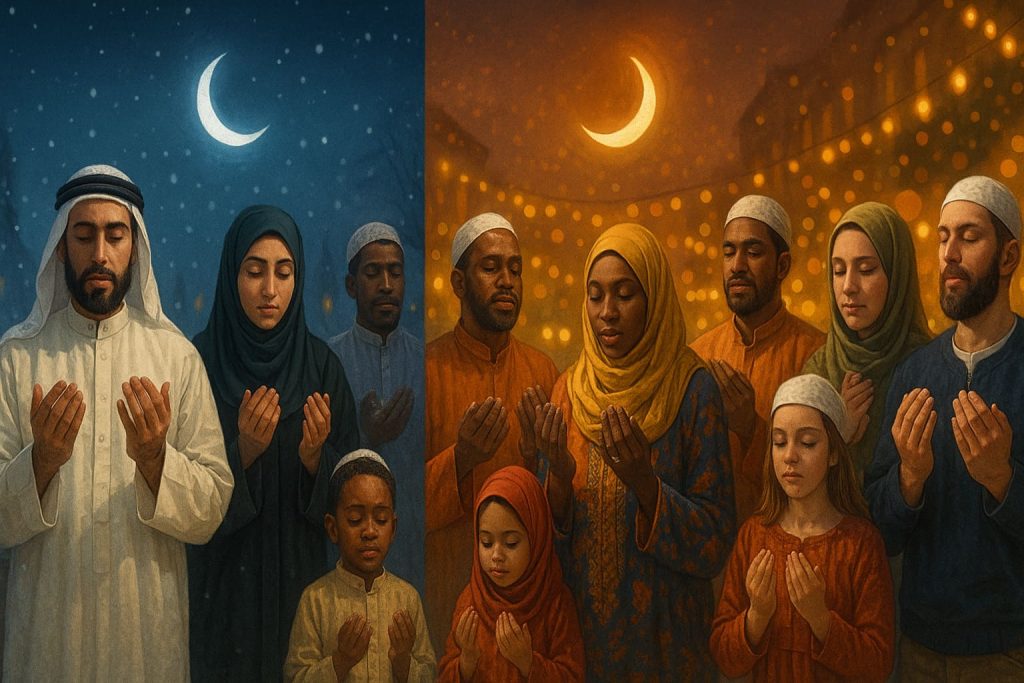
Two Ramadan in 2030: Muslims to Witness 35 Days of Fasting
In a rare and historic event, Muslims around the world will experience two Ramadan in 2030, leading to 35 days of fasting within the same year. This extraordinary occurrence is attracting global attention and is being highlighted across Islamic news platforms. Why Two Ramadans 2030? The Islamic calendar is based on the lunar cycle (354–355 days), which is shorter than the Gregorian solar year (365 days). As a result, the Islamic months shift about 10 to 11 days earlier each year compared to the Gregorian calendar. Because of this shift, in 2030 Ramadan will occur twice – once in January and once again in December. Ramadan 2030 Dates • First Ramadan 2030: Expected to begin on January 5, 2030, and end on February 3, 2030.• Second Ramadan 2030: Expected to begin on December 26, 2030, and continue until January 24, 2031. This means Muslims will fast 29 to 30 days in January and an additional 6 days in December 2030, totaling 35 days of fasting in 2030. Historical Context of Two Ramadans in One Year Although rare, this is not the first time Muslims have seen two Ramadans in one Gregorian year. The last occurrence was in 1997, and after 2030, the next time this will happen is predicted to be in 2063. Muslim Reactions to Ramadan 2030 Many Muslims view this as a special blessing and an opportunity for increased worship and spiritual growth. Scholars emphasize that having two Ramadans in one year allows believers to seek forgiveness, multiply good deeds, and strengthen their faith. At the same time, some note the physical and social challenges of fasting twice in the same year, especially since Ramadan 2030 in January will fall during winter in many countries, while Ramadan 2030 in December will overlap with the holiday season. A Rare Blessing for the Ummah For Muslims worldwide, Ramadan 2030 with 35 days of fasting will be remembered as a remarkable year in Islamic history. It is a reminder of the beauty of the lunar calendar and the endless opportunities Allah (SWT) provides for worship and devotion.
